
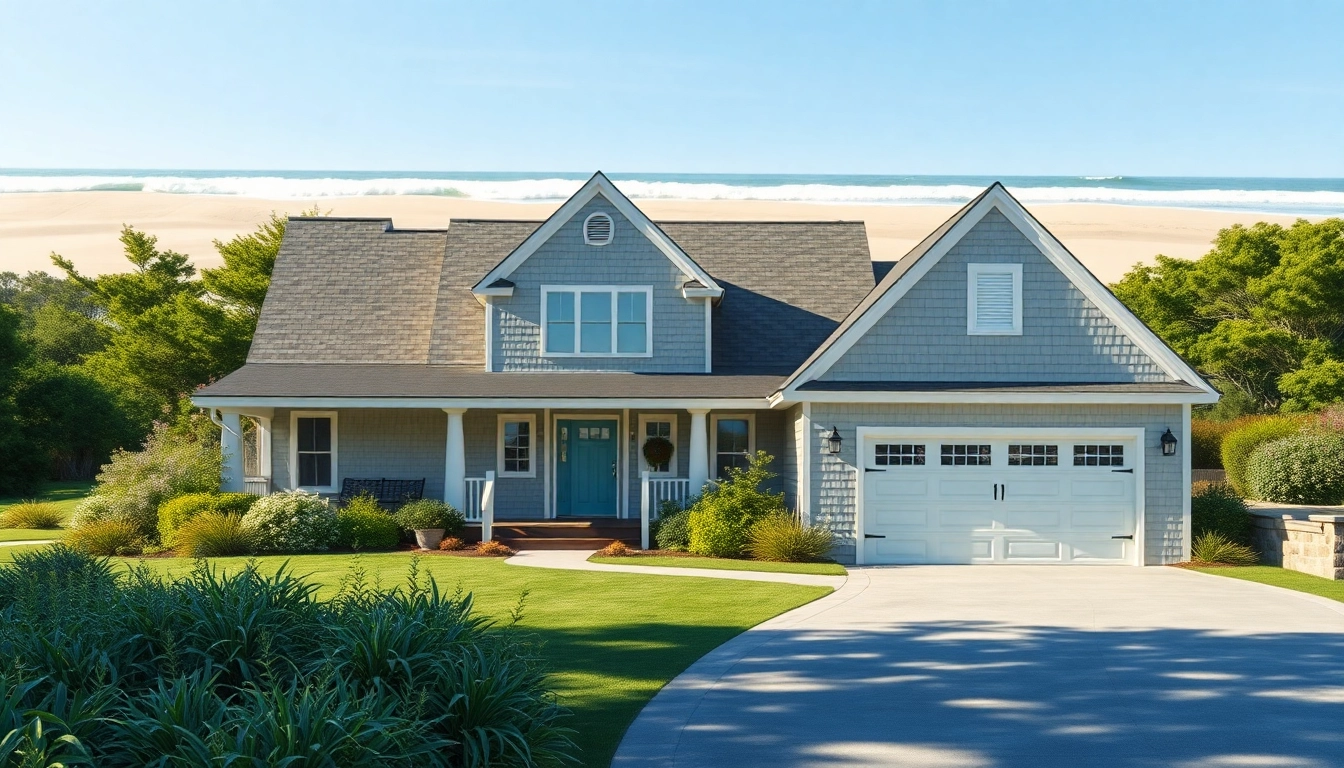
Enhancing Your Cape Cod Home: Design, Style, and Functionality Tips
Understanding the Unique Features of a Cape Cod Home
Historical Significance and Architectural Style
The cape cod home style, emblematic of early American architecture, draws its origins from Colonial New England. Characterized by steep pitched roofs, symmetrical facades, and dormer windows, these homes were designed to withstand the harsh, coastal climates. Their historical significance lies not only in their architectural resilience but also in their representational value of the American spirit of self-sufficiency and resourcefulness. The design ethos was simple, functional, and utilitarian, providing necessary shelter while reflecting the community’s values during the 17th century.
Common Characteristics of Cape Cod Homes
Commonly, a Cape Cod home features a one or one-and-a-half-story structure with a centrally placed front door, flanked by multi-paned windows. The exterior often showcases wooden clapboard siding, typically painted in seaside hues that capture the essence of New England’s coastal charm. Internally, the layout is usually open to maximize space and light, often including a large fireplace, which served as the primary source of heat in the earlier days. High ceilings and exposed beams are prevalent, lending an inviting, cozy feel to the homes.
Modern Adaptations of the Cape Cod Aesthetic
While adhering to its traditional roots, modern adaptations of the Cape Cod aesthetic incorporate contemporary design elements to meet today’s lifestyle needs. Homeowners may opt for open-concept living spaces, large kitchen islands, and expansive windows that merge indoor and outdoor living. Sustainable building practices and eco-friendly materials are also becoming more prominent in renovation and new constructions, marrying tradition with innovation. These adaptations not only preserve the timeless charm of the Cape Cod style but also enhance functionality and energy efficiency.
Planning Your Cape Cod Home Expansion
Assessing Your Needs and Goals
Before embarking on an expansion project, it’s crucial to assess your current and future needs. Ask yourself questions like: How many additional rooms are necessary? What purpose will they serve? Whether you plan to add a guest bedroom, a home office, or more living space for your family, defining your goals will streamline the planning process. Consider the potential return on investment for your expansion, particularly if you plan to sell in the future. It may be helpful to consult with architects or real estate experts to determine the best direction for your specific needs.
Design Considerations for Expanding Spaces
In designing your expansion, ensure it complements the existing architecture of your cape cod home. Consider maintaining the characteristic pitched roof and matching sidings to ensure a seamless integration. Functional layouts are essential; consider flow between spaces and how the new areas will interact with your existing design. Emphasizing natural light and outdoor views through well-placed windows can significantly enhance your home’s atmosphere and livability.
Permitting and Regulatory Requirements
Before commencing any expansion project, it’s vital to review local zoning laws and building codes. Many municipalities have specific regulations governing the types of modifications permissible on historic homes. Apply for necessary permits early in the process to avoid delays, and consult with local building authorities if you are unsure of what’s required. Understanding these regulations will help you design and execute your expansion without encountering legal hurdles.
Designing an Attached Garage in Your Cape Cod Home
Benefits of an Attached Garage
An attached garage offers numerous advantages for homeowners, particularly in a set-up like a Cape Cod home. First, it provides ease of access; you can enter your home directly from the garage, which is especially advantageous during inclement weather. Additionally, an attached garage can enhance property security and protect your vehicle from the elements, thus prolonging its life. Moreover, it offers additional storage possibilities, allowing homeowners to utilize space efficiently.
Designing for Style and Functionality
When designing an attached garage for your Cape Cod home, consider aesthetics that align with traditional elements. A gabled roof will complement the existing architecture, while maintaining a similar color palette and material to that of the house ensures visual harmony. Incorporating windows for natural light and ventilation not only enhances usability but also aligns with the design ethos of Cape Cod homes, which favor light, airy living spaces.
Materials and Aesthetics for Seamless Integration
Material choices can significantly impact the overall look and feel of your attached garage. Opt for high-quality wood or durable vinyl siding that matches your home’s exterior. Additionally, consider using architectural shingles for roofing to mirror traditional materials found in Cape Cod homes. By selecting materials that are consistent with your existing architecture, you will create a seamless transition between your garage and main house, enhancing overall curb appeal.
Landscaping Ideas for Your Cape Cod Home
Native Plants and Coastal Landscaping
Landscaping for a Cape Cod home should reflect the inherent beauty of its coastal surroundings. Opt for native plants that thrive in sandy, coastal soils. Lavender, beach plums, and blue hydrangeas can beautifully complement the style of a Cape Cod home while requiring minimal maintenance. Incorporating local flora supports the ecosystem and ensures your landscaping remains robust against harsh coastal weather.
Creating Outdoor Living Spaces
Outdoor living spaces can greatly enhance the enjoyment of your Cape Cod home. Consider adding a deck or patio equipped with comfortable seating areas and dining options. These spaces not only extend the living area into the outdoors but also provide a perfect setting for family gatherings and entertaining. Utilize natural materials like wood and stone that blend seamlessly with your landscape, fostering an inviting and warm atmosphere.
Enhancing Curb Appeal with Hardscaping
Hardscaping elements such as walkways, stone walls, and patios are vital in enhancing curb appeal. Choose materials that echo your home’s architecture—like cobblestones or natural stone—to create visually pleasing paths and driveways. These features not only create aesthetic value but also provide functional spaces for entertaining and enjoying your outdoor environment.
Frequently Asked Questions About Cape Cod Homes
What are the key design elements of a cape cod home?
The key design elements include steeply pitched roofs, symmetrical facades, dormer windows, and wooden clapboard siding, often painted in coastal colors.
How much does it cost to expand a cape cod home?
The cost to expand a Cape Cod home varies widely based on scope, design, location, and materials, but generally ranges from $100 to $300 per square foot.
Can I convert my garage into living space?
Yes, converting a garage into living space is possible, depending on local zoning laws and building codes. It can provide valuable additional space.
What permits do I need for a home expansion?
Permit requirements vary by location but typically include building permits, zoning permits, and in some cases, historic preservation approval if applicable.
How should I landscape a cape cod home?
Landscaping a Cape Cod home should include native plants, outdoor living spaces, and hardscaping elements that reflect the coastal environment and blend harmoniously.