
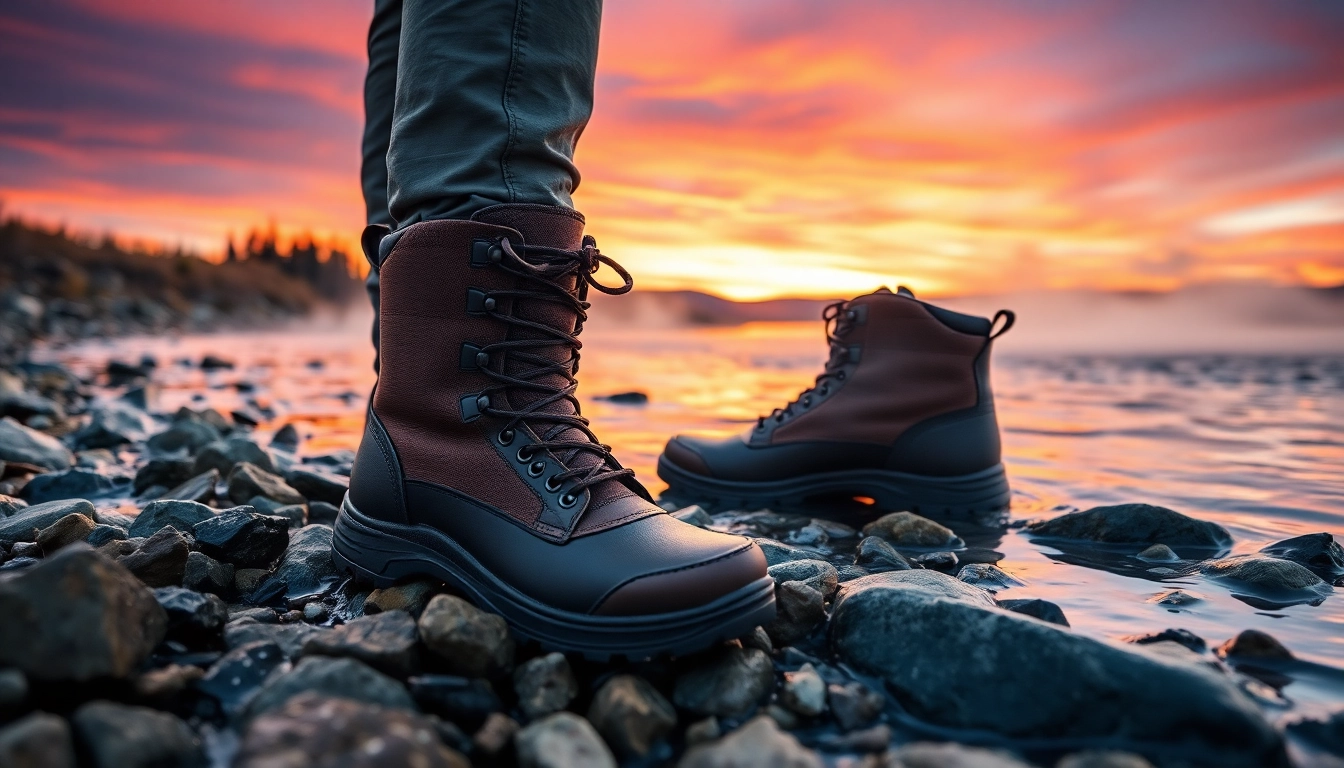
Choosing the Right Fly Fishing Boots for Every Adventure
Introduction to Fly Fishing Boots
When it comes to fly fishing, your choice of footwear can significantly affect your overall experience. Quality footwear is not merely about style; it’s an essential component that impacts your comfort, safety, and performance on the water. The right pair of fly fishing boots will not only protect your feet but also enhance your fishing endeavors, allowing you to focus on what you enjoy most—catching fish. This article delves into the crucial aspects of fly fishing boots, exploring their importance, key features, and how to maintain them effectively.
Importance of Quality Footwear
Having the right fly fishing boots is essential for several reasons. First and foremost, they provide protection against sharp rocks, slippery surfaces, and cold water, which can all be hazardous during your fishing adventures. Secondly, high-quality boots offer support, ensuring that your feet remain comfortable even during prolonged periods of standing or walking. Finally, investing in quality footwear contributes to your overall fishing success by enhancing stability and traction—key components while navigating various terrains.
Overview of Different Types
Fly fishing boots come in several types, each suitable for different fishing environments and conditions. Some of the most common types include:
- Wading Boots: Designed for wading in rivers and lakes, these boots typically include features such as reinforced toe caps and drainage ports.
- Foam Sole Boots: Lightweight and flexible, these boots provide excellent grip on slippery surfaces, although they may lack durability in rocky areas.
- Rubber Sole Boots: With superior durability, rubber soles are ideal for rocky terrains, providing excellent traction and support.
- Hiking Boots: Some anglers prefer multi-functional boots that work well for both hiking and fishing, offering versatility for those who explore remote locations.
Common Materials and Construction
The materials used in the construction of fly fishing boots significantly affect their performance and longevity. Most quality boots are made from the following materials:
- Neoprene: Used in many wet and insulated boots, neoprene offers warmth and flexibility, making it ideal for cold water fishing.
- Leather: Known for its durability, leather is resistant to abrasions and provides excellent support, although it can be heavier and slower to dry.
- Synthetic Fabrics: Lightweight and quick-drying, materials like nylon or polyester are often used to construct breathable and water-resistant boots.
- Gore-Tex: Often a lining in waterproof boots, Gore-Tex provides breathability while ensuring that no water seeps in.
Key Features of Effective Fly Fishing Boots
When selecting fly fishing boots, certain features are critical for ensuring a valuable experience on the water. Here, we discuss essential attributes to consider when choosing the right pair.
Waterproof and Breathable Materials
Opting for waterproof and breathable materials is crucial for comfort during long hours on the water. Boots that use advanced materials like Gore-Tex ensure that your feet stay dry while allowing moisture from sweat to escape, preventing overheating and discomfort.
Traction and Stability on Slick Surfaces
The ability to maintain traction on slippery surfaces is vital for safety. Many fly fishing boots come equipped with specialized rubber outsoles designed to grip wet rocks and muddy banks effectively. Look for boots with deep lugs to enhance stability and minimize the risk of slips and falls.
Comfort and Fit for Long Days
A comfortable fit cannot be understated. The right fly fishing boots should feel snug but not restrictive, with ample cushioning to support your feet during long days of fishing. Sizing can vary among brands, so it’s essential to try on boots with the socks you plan to wear while fishing. Consider options with adjustable features, such as lace systems or straps, to customize the fit.
Top Considerations When Buying Fly Fishing Boots
When it comes to purchasing fly fishing boots, several factors should guide your decision-making process. Here are our top considerations:
Budget and Brand Comparison
Finding the right balance between quality and budget is crucial. While it’s possible to find affordable options, investing in a reputable brand often translates to better materials, durability, and performance. Compare various brands across price ranges, ensuring you understand the features that come with each option to make an informed choice.
Seasonal Adaptability
Consider how the climate and water conditions of your preferred fishing locations will affect your boot needs. For colder climates, insulated boots may be necessary, while those fishing in warmer environments might prefer lightweight, breathable styles. Choosing versatile boots that accommodate changing seasons can enhance your fishing experience.
Size and Weight Considerations
Boot size can dramatically influence comfort and performance. Additionally, while heavier boots can provide more support and durability, they may tire you out on long hikes. Look for a balance that suits your specific fishing style—light enough for comfort yet supportive enough for stability.
Maintenance Tips for Your Fly Fishing Boots
To ensure the longevity and performance of your fly fishing boots, maintenance is key. Here are some effective strategies to care for your investment:
Cleaning and Drying Methods
After each use, it’s essential to clean and dry your boots properly. Rinse off any mud or debris with fresh water, and allow them to air dry away from direct sunlight or heat sources that could warp the materials. If necessary, use a gentle soap for a more thorough clean, but avoid harsh chemicals that could degrade the boot’s material.
Storage to Prolong Lifespan
Store your fly fishing boots in a cool, dry place, away from extreme temperatures or humidity, which can damage materials over time. Stuffing your boots with newspaper can help them maintain shape while absorbing any residual moisture.
Repairing Common Issues
Small tears or damage to your boots don’t automatically call for replacement. Many issues, such as worn out soles or leaking seams, can be repaired using appropriate adhesives or patches. Keeping an eye on wear and addressing issues promptly can extend the life of your boots significantly.
FAQs About Fly Fishing Boots
What are the best materials for fly fishing boots?
The best materials for fly fishing boots include waterproof synthetics, leather for durability, and breathable membranes like Gore-Tex for comfort.
How do I know if my fly fishing boots fit correctly?
Your boots should feel snug but not tight, with enough room to wiggle your toes and no pinching or discomfort during movement.
Can I use my fly fishing boots for hiking?
Yes, many fly fishing boots are versatile enough for light hiking, especially those designed with a supportive and durable structure.
How often should I replace my fly fishing boots?
Replace your fly fishing boots when you notice signs of excessive wear like leaks, compromised support, or a loss of traction on slippery surfaces.
Do fly fishing boots come in eco-friendly options?
Some fly fishing boot manufacturers offer eco-friendly options made from sustainable materials, designed to reduce environmental impact.