Understanding the Role of Videographer
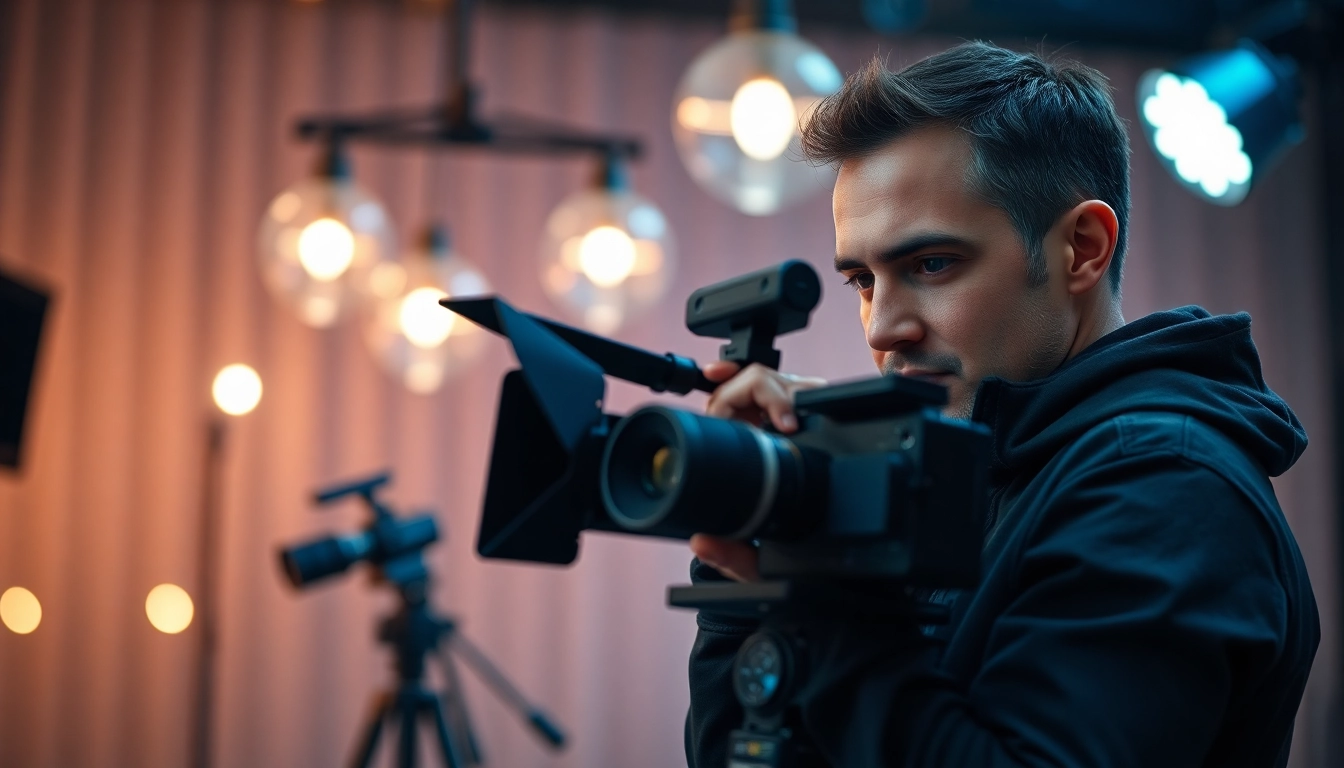
The role of a Videographer extends far beyond just filming events. A videographer is an artist and technician combined, blending creativity with technical proficiency to create compelling visual narratives. Their work is pivotal across various domains—from capturing the essence of weddings and corporate events to producing promotional videos for businesses. To understand their significance, it’s essential to delve into their key responsibilities, the vital aspect of storytelling they bring into play, and the diverse types of work they engage in.
Key Responsibilities of a Videographer
Videographers are responsible for several critical tasks that often vary depending on the project.
- Planning: Videographers frequently start with brainstorming sessions to map out the concept and visual style of the project.
- Shooting: They must skillfully operate cameras and equipment, ensuring that all the necessary shots are captured as per the vision.
- Editing: Post-production is where videographers can enhance their narrative, using software to combine footage, add effects, and refine audio.
- Client Communication: They engage closely with clients to understand their vision, ensuring that the final product meets or exceeds expectations.
The Importance of Storytelling in Videography
At the heart of videography lies storytelling. Every frame, every scene is crafted to convey emotions and convey a message. Effective storytelling encapsulates the essence of the subject, be it a high-energy wedding, an informative corporate seminar, or an artistic short film. Videographers employ various techniques, such as pacing, shot composition, and sound design, to heighten the viewer's emotional engagement. The narrative structure must align with the audience's expectations while also being original and captivating to stand out.
Types of Videographer Work: Events, Corporate, and Beyond
Videographers often specialize in particular types of work, although many can cross over different domains. Their primary categories include:
- Event Videography: This includes weddings, parties, and live performances, where capturing the moment in real-time is essential.
- Corporate Videography: Businesses hire videographers for promotional videos, training materials, and coverage of corporate events.
- Documentary and Short Films: Many videographers delve into storytelling by creating documentaries or artistic shorts that require thorough research and post-production finesse.
Essential Skills Every Videographer Should Have
The world of videography is continually evolving with technological advancements and changing audience preferences. Thus, a successful videographer must cultivate a range of essential skills. These skills can be broken down into three key categories: technical, creative, and interpersonal.
Technical Skills: Equipment and Software Knowledge
Proficiency in handling camera equipment is a fundamental skill for any videographer. This includes understanding different types of cameras, lenses, and stabilization devices. Moreover, knowledge of software for video editing like Final Cut Pro, Adobe Premiere Pro, and DaVinci Resolve is crucial. A solid grasp of lighting and sound equipment can significantly enhance the quality of the footage.
Creative Skills: Visual Storytelling and Composition
Creativity is the driving force behind compelling video content. A good videographer must possess a keen eye for composition and the ability to visualize the end product. This includes understanding framing techniques, color grading, and how to manipulate light to create the desired mood and atmosphere.
Interpersonal Skills: Client Relations and Communication
Strong communication skills are vital for establishing a good rapport with clients. Understanding their needs and translating that into visual content requires attentive listening and adaptability. A videographer needs to tune into their client’s feedback throughout the process to ensure satisfaction.
The Videography Process: From Concept to Completion
The videography process is intricate and often involves multiple stages—each critical in ensuring a polished final product. By understanding this journey, prospective videographers can streamline their workflows and enhance their overall output quality.
Pre-Production Planning and Preparation
Pre-production is the first and arguably the most critical phase in the videography process. This stage includes:
- Storyboarding: Outlining the sequence of shots can greatly aid in visualizing the project's flow.
- Location Scouting: Selecting the right location based on lighting, sound, and aesthetic considerations is essential.
- Scheduling: Coordinating with clients to set a timeline ensures that all elements are in sync for the shoot day.
Shooting Techniques and Best Practices
During the shooting phase, a videographer must adhere to best practices to capture quality footage. This involves:
- Understanding Composition: Framing shots thoughtfully enhances the storytelling aspect.
- Working with Lighting: Utilizing natural light or portable lights effectively can make a significant difference.
- Audio Quality: Employing external microphones and ensuring sound fidelity is paramount.
Post-Production: Editing and Finalizing Content
The editing stage is where a videographer can truly showcase their skills. It involves assembling the footage in a coherent sequence, color correcting, and possibly adding voiceovers or music. Transition effects and graphics can elevate the production value, making it appealing to viewers. Quality assurance is also crucial here—ensuring that the final product meets industry standards and client expectations.
Choosing the Right Equipment as a Videographer
Starting out as a videographer can seem daunting, especially when it comes to selecting the right equipment. However, understanding what to prioritize can ease this process and empower beginners and pros alike.
Fundamental Camera Gear for Beginners and Pros
At a minimum, a videographer should consider investing in:
- DSLR or Mirrorless Camera: These offer versatile shooting capabilities and quality.
- Stabilizers: Gimbals or tripods ensure smooth footage is captured.
- Lens Variety: Different lenses can drastically change the look and feel of the video.
Lighting and Audio Equipment Essentials
Proper lighting and sound are crucial to high-quality videography. Essential items include:
- Softbox Lights: These create flattering, diffused lighting.
- On-Camera Lights: Effective for shooting under low-light conditions.
- Quality Microphones: Lavalier and shotgun microphones can optimize audio capture significantly.
Software for Video Editing: A Beginner's Guide
Choosing the right software is essential for effective post-production. Beginners might start with user-friendly software like iMovie or Filmora, while more experienced users often transition to advanced platforms like Adobe Premiere Pro or Final Cut Pro. Learning the ins and outs of these tools can drastically improve editing efficiency and effectiveness.
How to Promote Your Services as a Videographer
Establishing a successful career in videography requires not only skills but also effective promotional strategies. Here are vital methods to consider:
Building an Impressive Portfolio
A portfolio acts as a visual resume showcasing a videographer's best work. By including a diverse range of projects—from weddings to corporate events—a videographer can attract various clients. Regularly updating the portfolio with new work and maintaining a professional presentation is crucial.
Leveraging Social Media and Online Presence
Using platforms like Instagram, YouTube, and Vimeo to share clips can broaden reach and engage a wider audience. Utilizing hashtags effectively and participating in online videography communities can also foster connections with potential clients.
Networking and Collaborations in the Videography Community
Building relationships with fellow creatives can lead to new opportunities. Collaborating on projects can enhance exposure and lead to referrals, making networking an indispensable tool for any aspiring videographer.