The Basics of Fly Fishing for Bass
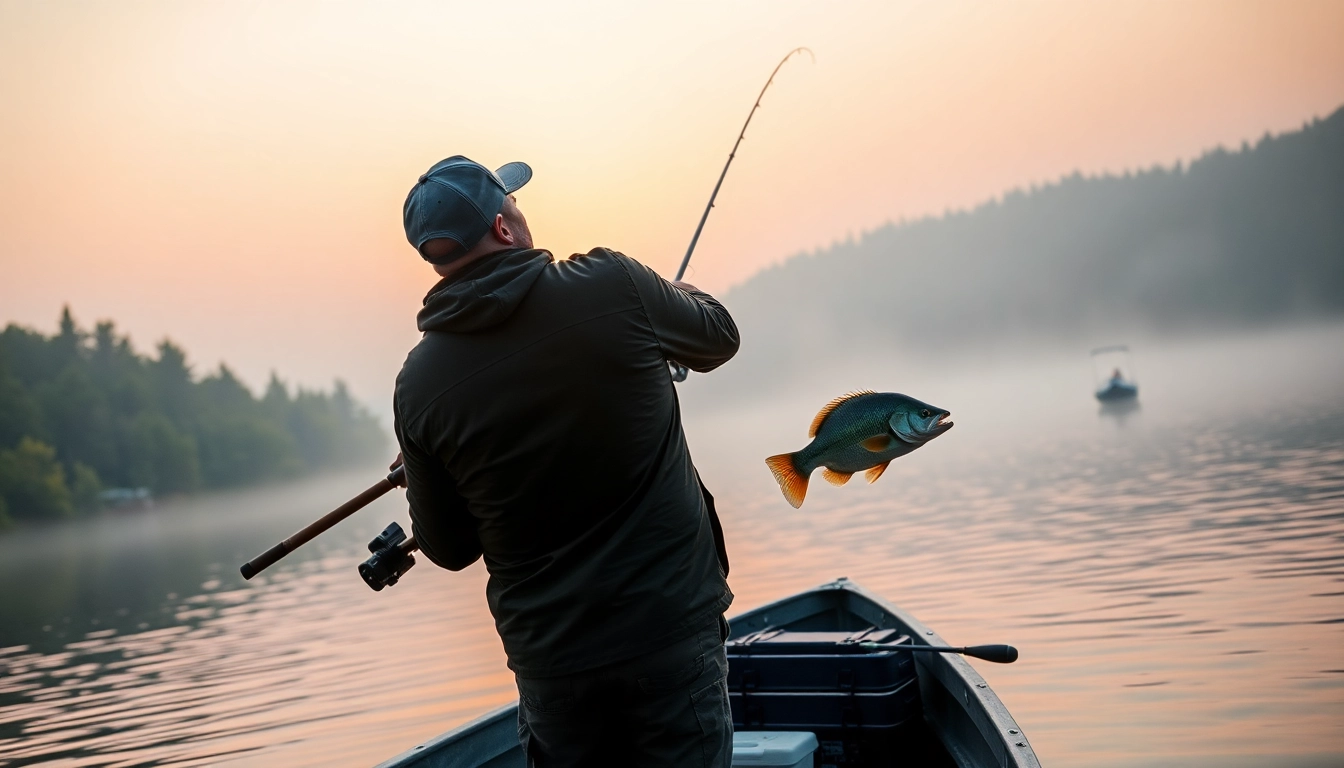
Fly fishing for bass is an exciting and rewarding experience that combines the thrill of fishing with the art of casting. For many anglers, catching bass on the fly can be an exhilarating challenge, as it not only tests your skills but also deepens your understanding of the fish's behavior. Before you dive into this rewarding pastime, it’s essential to understand some key fundamentals. In this article, we’ll explore the intricate world of fly fishing for bass, delve into crucial techniques, equip you with advanced strategies, and help you overcome common challenges. Whether you're a seasoned angler or a novice, there is something here for everyone.
To begin your fly fishing adventure, first familiarize yourself with the freshwater bass species prevalent in your area. This understanding will help you select the right techniques and gear. For comprehensive resources on fly fishing for bass and more, consider visiting specialized websites and forums to expand your knowledge.
Understanding Freshwater Bass Species
Bass fishing predominantly involves two primary species: the Largemouth Bass and the Smallmouth Bass. Each species exhibits unique behaviors and habitats, which significantly impacts your fishing strategy.
- Largemouth Bass: Typically found in warmer, shallow waters, largemouth bass are known for their aggressive feeding habits. They prefer areas with abundant cover, including weeds and fallen timber.
- Smallmouth Bass: Preferring cleaner, cooler waters, smallmouth bass are often found in rocky riverbeds and lakes with swift currents. They are known for their acrobatic fighting style when hooked.
Learning to recognize the differences in behavior, habitat, and feeding patterns of these species can greatly enhance your chances of success while fishing. Observing their behaviors and understanding their seasonal activities can provide insights into the best tactics for catching them.
Essential Gear for Fly Fishing
Equipping yourself with the right gear is crucial for a successful day of fly fishing. Here's a breakdown of essential items you'll need:
- Fly Rod: A medium weight (6-8) rod is ideal for most bass fishing scenarios. Look for a rod that’s around 8-9 feet long to handle casting larger flies.
- Reel: Choose a fly reel that can accommodate the weight of your line and has a decent drag system for larger bass.
- Fly Line: Floating lines work best for topwater fishing, while sink-tip lines are effective for subsurface presentations.
- Leader and Tippet: A leader of 9-12 feet is recommended, paired with a tippet suitable for the size of the bass you are targeting.
- Flies: Popper flies, streamers, and clouser minnows are popular choices that attract both largemouth and smallmouth bass.
In addition to the gear listed, don't forget to carry a good pair of polarized sunglasses and a hat to provide protection from the sun, and a fishing net or landing tool for safely landing your catch.
Choosing the Right Location
Finding the right fishing location can significantly impact your success rate. Here are tips on how to select the best spots for bass fishing:
- Shallow Flats: Look for flats with submerged vegetation, which provide cover and food for bass.
- Rocky Areas: Smallmouth bass often hide in rocky areas, making these spots prime fishing grounds.
- Riprap Banks: The transition areas between water and land, like riprap banks, act as ambush points for bass hunting prey.
- Inlets and Outlets: Incoming and outgoing water flows attract bass looking for food and can be hotspots for successful fishing.
Familiarize yourself with local maps and consult seasonal reports from other anglers to discover emerging hotspots.
Techniques for Effective Bass Fishing with Flies
Once you have the basics down, the next step is to hone specific techniques tailored for bass. Mastering these skills will vastly improve your efficiency on the water.
Matching the Hatch: Fly Patterns for Bass
Matching the hatch refers to using a fly that mimics the insects and prey that bass are currently feeding on. This technique can substantially increase your chances of a catch. Popular fly patterns include:
- Poppers: Ideal for topwater action, especially during low light conditions when bass feed actively.
- Crayfish Patterns: Effective in the spring and summer months when bass target these crustaceans.
- Streamers: Mimics baitfish and can be particularly productive during the fall.
Research local aquatic life and use local knowledge to choose the best patterns that will match the feeding behaviors of bass.
Presentation Techniques for Streamers and Popper Flies
How you present your fly is just as important as the fly selection itself. Here are common techniques for presenting streamers and poppers effectively:
- Strip Retrieve: For streamers, a slow and steady strip can provoke strikes from swimming bass. Experiment with different speeds until you discover what works.
- Pop and Pause: When fishing with poppers, focus on rhythm. Gently “pop” the fly and then wait for a moment before resuming the retrieve to entice bass.
Varying your retrieves and observing how bass react can lead you to the ideal presentation technique for the day.
Best Times and Conditions for Bass Fishing
Understanding the best times and conditions for fishing can significantly affect your performance:
- Time of Day: Early morning and late evening are typically the most productive times to fish for bass.
- Water Temperature: Bass become more active when the water temperature is between 65°F and 75°F.
- Weather Patterns: Overcast days often provide better conditions for fishing, as bass tend to venture into shallow waters. Barometric pressure drops can also trigger feeding activity.
Catching bass requires not just skill, but also knowledge of environmental factors that influence their behavior. By keeping a close eye on these elements, you can plan your fishing trips around optimal conditions.
Advanced Strategies for Fly Fishing Success
Now that you have a solid understanding of techniques and timing, let's explore advanced strategies that can elevate your fishing game.
Reading Water: Identifying Bass Habitats
To be successful, it’s crucial to read water effectively. This means understanding where bass are likely to hide and ambush prey. Look for:
- Current Breaks: Areas where water currents change speed often congregate baitfish and, consequently, bass.
- Temperature Variations: Bass tend to prefer water at consistent temperatures. Use a thermometer to gauge hot and cold spots.
- Cover Structures: Look for fallen trees, rocks, and vegetation that provide cover for bass.
By studying the water and identifying these features, you can more accurately predict where to cast your fly for the best results.
Using Indicators and Strike Detection
Being able to detect strikes is an essential skill every angler should master. Using strike indicators can enhance your awareness of what’s happening beneath the surface:
- Use Float Indicators: Float indicators can help you sense subtle strikes. They bob and dip when a fish bites, giving you a visual cue.
- Sight Casting: When fishing clear waters, look for subtle movements of bass, allowing you to anticipate their actions and enhance your timing.
Practice your observation skills and learn to differentiate between the movements of the water and fish activities.
Adapting Techniques for Seasonal Changes
Each season brings about changes in the behavior and location of bass. Adapting your fishing techniques accordingly is essential:
- Spring: Bass begin spawning, so focus on shallower waters and use slower presentations.
- Summer: As water temperatures rise, bass might go deeper. Use sinking flies to reach them where they are.
- Fall: Bass will start chasing baitfish; use aggressive retrieves with streamers to mimic sufficient prey.
- Winter: Fishing slows down significantly, but targeting deeper structures with slow presentations can yield good results.
By being adaptable and responsive to seasonal changes, you can maintain productive fishing regardless of the time of year.
Common Challenges in Fly Fishing for Bass
Every angler faces a set of challenges while fishing for bass. Understanding these challenges and preparing for them can save you from frustration and enhance your fishing experience.
Addressing Equipment and Tackle Issues
Equipment malfunctions can turn a perfect day into a frustrating one. Regularly inspect and maintain your gear, paying attention to:
- Line Condition: Frayed or worn lines can lead to losses. Replace them before they become an issue.
- Reel Functionality: Ensure that your reel's drag system functions smoothly, as this is critical during battling fish.
- Fly Selection: Make sure your fly box is stocked with various patterns, so you’re prepared for changing conditions.
Preventative measures are key—check your gear before each trip to ensure you’re prepared to face any fishing challenges.
Dealing with Weather and Water Conditions
Weather and water conditions can change rapidly, impacting fish behavior. Keep these tips in mind:
- Monitor Forecasts: Pay attention to weather forecasts and plan your trips when conditions favor active bass fishing.
- Adjust Your Tactics: Be willing to switch techniques or locations if you find the bass aren’t biting under current conditions.
Preparedness is crucial; adapt your plans based on real-time conditions for the best success on the water.
Managing Catch and Release Practices
Catch and release practices are essential for sustaining healthy bass populations. To ensure successful release:
- Use Barbless Hooks: These are easier to remove and cause less damage to fish.
- Handle Fish Carefully: Wet your hands before handling to protect their slime coat, which is vital for their health.
- Release Quickly: Minimize the time they’re out of the water, and support their body while returning them to the water.
Being a responsible angler not only enhances your fishing experience but sustains the sport for future generations.
Performance Metrics and Improvement in Fly Fishing
Improvement in your fly fishing skills often hinges upon tracking your performance. By establishing metrics and analyzing them, you can refine your techniques.
Tracking Your Progress: Keeping a Fishing Log
A fishing log can be a valuable tool for tracking your success and making adjustments accordingly. Include details such as:
- Date and Time: Note when you fished to identify patterns with successful trips.
- Conditions: Record weather, water temperature, and clarity.
- Techniques Used: Document fly patterns and presentations that worked or didn’t work.
- Catch Details: Note species, size, and number of fish caught.
Reviewing this data can help you identify trends and refine your approach over time, leading to deeper insights into bass fishing.
Analyzing Successful Catches and Techniques
Reflecting on your successful catches will provide valuable data points to assess your fishing techniques:
- Fly Efficacy: Which fly patterns yielded the best results? Assess their conditions and positions.
- Time of Day Insights: Understanding when you had your most successful fishing days can help you plan future trips.
- Behavior Patterns: Was there an observable pattern in bass behavior during your successful outings?
By carefully assessing evidence from your experiences, you can build a robust knowledge base that will contribute to your overall growth as an angler.
Engaging with the Fly Fishing Community
Connecting with fellow anglers can enhance your experience and broaden your knowledge base. Consider the following approaches
- Join Local Clubs: Becoming a member of local fishing clubs offers opportunities to learn through workshops and community events.
- Online Forums and Social Media: Engage with others online for tips, advice, and to share your experiences.
- Participate in Events: Tournaments and gatherings can improve your skills and offer networking opportunities.
Collaboration and information sharing can lead to better fishing outcomes and long-lasting friendships.
In conclusion, fly fishing for bass is a multifaceted pursuit that combines knowledge, skill, and passion. With the right understanding of bass behaviors, essential gear, effective techniques, and strategies for overcoming challenges, you can enjoy a fulfilling and productive fishing experience. Whether you're a novice or a seasoned angler, embracing these practices will enhance your skills and ultimately lead to more successful outings on the water. Happy fishing!