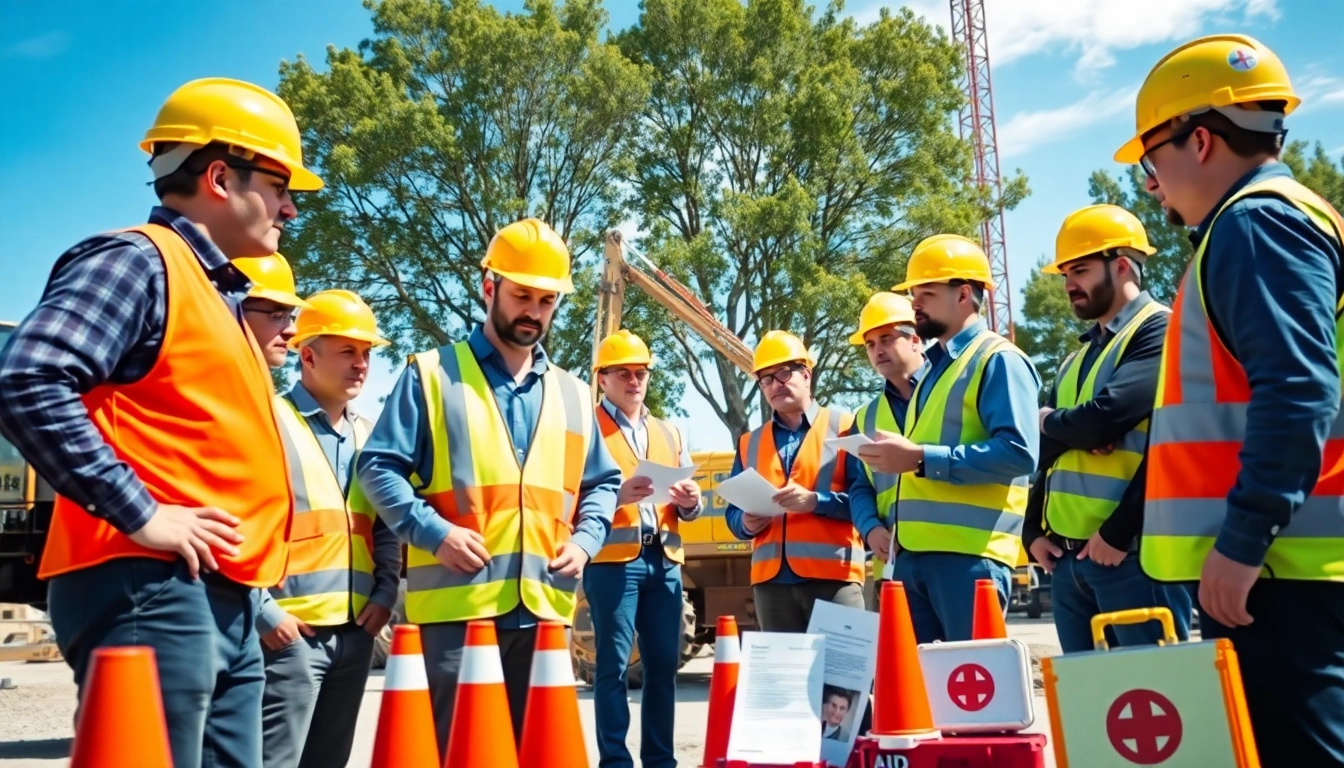
Understanding Construction Safety Training
In the construction industry, safety is paramount. From heavy machinery to complex building processes, workers face numerous hazards daily. To mitigate risks and promote a culture of safety, construction safety training is essential. This article will delve into the importance of this training, explore effective programs, and examine regulatory standards, interactive methods, and future trends in training.
The Importance of Construction Safety Training
Construction safety training is not merely a legal requirement but a moral obligation. It dramatically reduces accident rates, helps to create a safer work environment, and fosters employee morale. Proper training empowers workers with the knowledge to recognize hazards, understand safety protocols, and handle emergencies efficiently. When workers are trained effectively, they can contribute to a safer work environment, resulting in fewer injuries, reduced downtime, and improved productivity.
Key Elements of Effective Training Programs
To be effective, construction safety training programs must include several key elements:
- Thorough Content Coverage: Courses should cover all aspects of safety, including hazard identification, proper equipment use, and emergency response procedures.
- Hands-On Training: Practical experience allows workers to apply what they’ve learned in a controlled environment.
- Regular Updates: Training should be updated to reflect changes in laws, methodologies, and safety technologies.
- Qualified Instructors: Instructors must be knowledgeable and experienced professionals who can convey information effectively.
Who Should Participate in Safety Training?
Safety training should involve everyone in the construction environment. This includes:
- Site Workers: All personnel who work on site need to understand safety protocols specific to their roles.
- Supervisors and Managers: They play a crucial role in enforcing safety policies and should be well-versed in training protocols.
- New Hires: Every worker, especially those new to the industry, must undergo safety training before starting on-site tasks.
- Temporary Workers and Subcontractors: These individuals should also receive specific training regarding site hazards and protocols.
Regulatory Standards and Compliance
OSHA Regulations on Construction Safety
The Occupational Safety and Health Administration (OSHA) sets forth essential regulations regarding construction safety. These regulations outline standards for various aspects of safety and health protection, which must be adhered to by all construction companies. Key guidelines include:
- General Duty Clause: Employers must provide a workplace free from recognized hazards.
- Training Requirements: OSHA mandates that employers provide adequate training to ensure safety.
- Specific Standards: Regulations for fall protection, scaffolding, machinery, and more are detailed within OSHA standards.
Compliance Checklists for Training Programs
Creating a compliance checklist can help ensure that your training programs meet OSHA standards. A basic checklist might include:
- Has a written safety program been established?
- Are all employees receiving the required safety training?
- Is there documentation of training attendance and content?
- Is there a system for evaluating training effectiveness?
Consequences of Non-Compliance
Failure to comply with OSHA regulations can lead to severe consequences, including:
- Fines and Penalties: Non-compliance can result in significant financial penalties.
- Increased Liability: Companies may face litigation from injured workers.
- Reputation Damage: Organizations that do not prioritize safety can suffer from damaged reputations, impacting future business opportunities.
Designing an Engaging Training Program
Incorporating Adult Learning Principles
Training programs should be designed with adult learning principles in mind, recognizing that adult learners require different approaches than traditional students. Key principles include:
- Self-Direction: Adults prefer to take responsibility for their learning.
- Experience-Based Learning: Incorporating real-life scenarios helps to contextualize information.
- Relevance: Content should be applicable to current job tasks and responsibilities.
- Problem-Solving: Training should encourage critical thinking and solutions-based learning.
Interactive Training Techniques
Engagement is key to effective training. Incorporating interactive techniques can enhance learning retention and application. Consider the following methods:
- Group Discussions: Encourage collaboration and sharing of ideas among participants.
- Role-Playing: Allow participants to practice responding to safety scenarios.
- Simulations: Hands-on simulations can replicate real-life situations without the risk of injury.
- Quizzes and Games: Make learning fun and competitive to enhance memory retention.
Utilizing Technology in Safety Training
Advancements in technology have transformed training opportunities in the construction industry. Consider leveraging the following technologies:
- Mobile Learning Platforms: These allow workers to access training materials anytime and anywhere.
- Virtual Reality (VR): VR can provide immersive training experiences in a safe environment.
- Online Modules: These can deliver training content quickly and efficiently, often with built-in assessments.
- Wearable Tech: Devices that monitor worker movements can provide real-time feedback about safe practices.
Evaluating Training Effectiveness
Metrics for Success in Safety Training
Evaluating the effectiveness of training programs is vital for continuous safety improvement. Key metrics might include:
- Incident Rates: A decrease in work-related incidents post-training is a strong indicator of effectiveness.
- Employee Feedback: Surveys can reveal worker confidence levels and perceived knowledge gains.
- Training Completion Rates: High completion rates can indicate employee engagement and commitment to safety.
- Post-Training Assessments: Evaluating knowledge retention through quizzes or practical tests can determine learning effectiveness.
Gathering Feedback from Participants
To refine safety training programs, it is crucial to gather feedback from the participants. Effective methods include:
- Post-Training Surveys: Acquire immediate reactions to the training session.
- Focus Groups: Conduct discussions with a small group for detailed insights.
- One-on-One Interviews: Personal feedback can provide deeper understanding and personal experiences.
- Ongoing Observations: Monitoring workers post-training can yield insights into the long-term impact of the training.
Continuous Improvement in Training Methods
The construction industry is ever-evolving, which means safety training programs must also adapt. Continuous improvement can be achieved through:
- Regular Instruction Updates: Incorporate the latest safety practices and regulations in training materials.
- Iterative Feedback Loops: Use participant feedback to continuously refine training methodologies.
- Benchmarking Against Best Practices: Compare training outcomes to industry leaders to identify gaps and areas for improvement.
- Research-Driven Updates: Stay informed on safety research to adapt to new findings.
Real-World Applications and Case Studies
Successful Implementation Examples
Examining successful case studies provides insight into effective training practices. One notable example is XYZ Construction, which reduced its incident rates by 70% within three years of implementing a comprehensive training program focused on hands-on learning and real-time feedback. Workshops that engaged workers in problem-solving scenarios cemented their understanding of safety protocols.
Analyzing Training Failures and Lessons Learned
Not all training programs succeed. An analysis of a failed training initiative at ABC Builders showed several key issues, including poor instructor engagement and inadequate hands-on practice. By surveying participants, the organization identified the need for a more interactive and participatory training approach. The lessons learned led to an overhaul of their training methods, introducing simulations and real-world scenarios.
Future Trends in Construction Safety Training
Looking forward, the landscape of construction safety training will likely be shaped by several trends:
- Increased Focus on Mental Health: Recognizing the importance of mental well-being in safety culture is becoming a priority.
- Integration of Artificial Intelligence: AI could facilitate personalized training experiences and real-time hazard identification.
- Emphasis on Worker Engagement: Companies will increasingly seek innovative methods to involve workers actively in their own safety training.
- Data Analytics: Utilizing data to predict safety incidents will become more prevalent, allowing for proactive training adjustments.