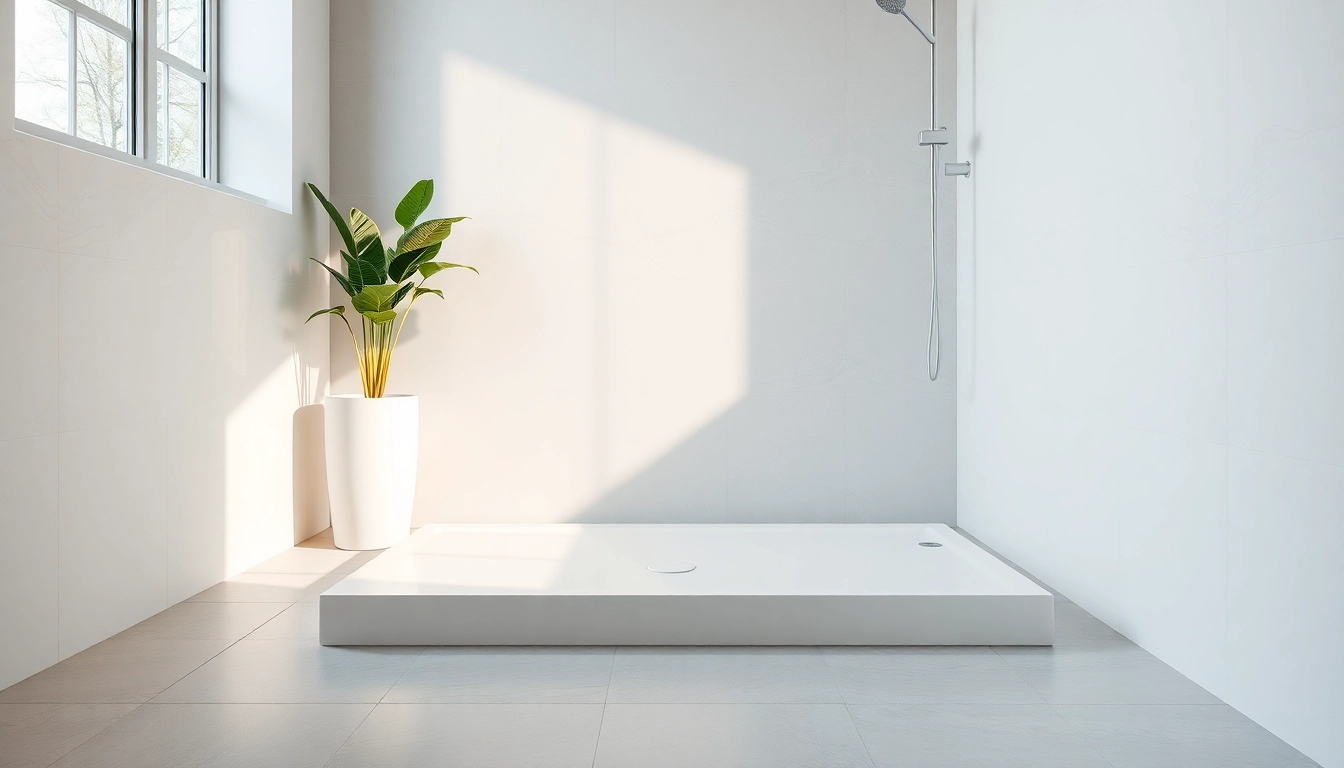
Understanding the Importance of a Quality Shower Base
In the world of bathroom renovation and design, a shower base is often overlooked, yet it plays a crucial role in both functionality and aesthetics. This foundation for your shower is not merely a practical component but is integral to the overall feel and effectiveness of your bathing space. Let’s delve deeper into why choosing a quality shower base is essential.
Why Choose the Right Shower Base?
The right shower base can significantly impact your bathroom’s usability and look. It serves as a barrier to water, ensuring that your bathroom remains dry while preventing leaks that could lead to serious damage over time. Additionally, the materials and style you select can enhance the room’s aesthetics, making it more inviting. Opting for a high-quality shower base enhances not only functionality but also offers peace of mind against wear and future repairs.
Common Materials Used in Shower Bases
Shower bases come in various materials, each with unique characteristics that may influence your selection.
- Acrylic: Lightweight and durable, acrylic shower bases are resistant to stains and scratches, making them a popular choice.
- Fiberglass: Another lightweight option, fiberglass is often more affordable but may not be as durable as other materials.
- Tile: Offering extensive design possibilities, tile shower bases permit custom designs, though they may require more maintenance.
- Stone: Natural stone provides a luxurious look and feel but typically comes with a higher price and requires careful sealing to avoid stains.
- Composite: These are typically a blend of materials (like acrylic and fiberglass) that provide the benefits of both at a moderate cost.
Benefits of Durable Shower Bases
Investing in a durable shower base leads to long-term benefits. A quality base is less likely to crack or warp over time, ensuring a safe bathing environment. Moreover, durable materials often require less maintenance, saving you time and money in the long run. With the right base, you can create a space that withstands the rigors of daily use while maintaining its aesthetic appeal.
Types of Shower Bases: Choosing the Right Style
The style of your shower base can significantly influence the overall ambiance of your bathroom. Various types and styles can cater to different needs and preferences.
Traditional vs. Modern Shower Bases
Traditional shower bases often feature classic designs—think tiled bases with ornate patterns that evoke a timeless elegance. On the other hand, modern shower bases emphasize minimalism and clean lines, often including solid colors or simple geometric shapes. Deciding between the two will depend on your overall bathroom theme and personal taste.
Evaluating Custom vs. Prefabricated Options
Choosing between custom and prefabricated shower bases can dictate your bathroom's design flexibility. Custom bases offer a personalized touch, allowing you to choose dimensions, materials, and styles that cater to your specifications. However, they typically come at a higher cost. Prefabricated bases provide a quick, cost-effective solution and are readily available for those looking to streamline renovations.
Popular Shapes and Sizes for Shower Bases
Shower bases come in various shapes and sizes to accommodate diverse bathroom layouts. Common shapes include:
- Square: Ideal for smaller bathrooms, square bases maximizes space efficiently.
- Rectangular: Offering more room, rectangular bases work well in larger spaces.
- Neo-Angle: Perfect for corner installations, these bases utilize space effectively while adding a contemporary touch.
- Curved: Curved bases provide a unique design aesthetic, often seen in modern bathrooms.
Choosing the correct size also matters; basing it on the overall layout and your personal footprint ensures comfort during use.
Installation Guide for Your Shower Base
The installation of a shower base is crucial to ensure longevity and stability. Following a detailed guide can make this process smoother.
Essential Tools for Installation
Before starting the installation, gather the following tools:
- Measuring tape
- Level
- Screwdriver
- Shower drain kit
- Caulking gun
- Plumber’s tape
- Tile spacers (if applicable)
Step-by-Step Installation Process
- Preparing the Area: Ensure the space is clean and free of debris. Measure to confirm that your shower base fits correctly in the designated area.
- Installing the Drain: Follow the manufacturer’s instructions to set up the drain. Use plumber’s tape to secure connections.
- Setting the Base: Place the shower base on the floor, ensuring it is level. Make necessary adjustments if it rocks.
- Securing the Base: Once level, apply caulk around the edges for a watertight seal. If using a prefabricated base, ensure it is secured as per the product instructions.
- Final Checks: After installation, check for leaks by running water through the drain and observing for any leakage around the edges.
Common Installation Mistakes to Avoid
Even with a detailed guide, mistakes can occur during installation. Here are common pitfalls and how to avoid them:
- Ignoring Drain Placement: Always ensure the drain aligns properly with your plumbing before installation.
- Neglecting to Level: An unlevel base can lead to drainage issues; use a level tool to check before finalizing.
- Poor Sealing: Inadequate caulking can lead to leaks. Ensure a thick and even layer around edges for better watertight protection.
Enhancing Your Shower Base Experience
The experience of using your shower base can be significantly enhanced through thoughtful accessorizing and maintenance.
Accessorizing Your Shower Base
Adding accessories can elevate your shower base’s functionality and aesthetics. Consider incorporating:
- Shower Mats: Provide a slip-resistant surface while enhancing comfort.
- Storage Solutions: Shelves or caddies can organize shower essentials neatly.
- Water Softener: Using a water softener can enhance the bathing experience by improving water quality.
Maintaining Your Shower Base for Longevity
Regular maintenance is key to prolonging the life of your shower base. Clean it with non-abrasive cleaners to prevent build-up that could damage surfaces. Regular inspections for cracks or signs of wear can help address issues before they escalate. Additionally, resealing stone or tile bases periodically helps maintain their quality.
Combining Functionality with Aesthetics
When it comes to enhancing your shower experience, blending functionality with aesthetics is crucial. Opt for designs that not only appeal visually but also provide useful features, such as anti-slip surfaces or integrated shelving. The balance between beauty and utility will ensure a satisfying and safe showering experience.
FAQs About Shower Bases
What is a shower base?
A shower base is the floor component of a shower that contains and directs water toward the drain, preventing leaks and water damage.
How do I clean my shower base?
Use a non-abrasive cleaner and warm water to wipe down the surface. Pay special attention to grout lines or seams to prevent mold growth.
What materials are best for a shower base?
Acrylic and stone are popular choices due to their durability and aesthetics. Your choice may depend on budget, style, and maintenance preferences.
Can I install a shower base myself?
Yes, with the right tools and instructions, many homeowners can install a shower base. However, if unsure, hiring a professional is advisable.
How do I choose the right size for my shower base?
Measure your space and consider the layout of your bathroom. Choose dimensions that allow for comfortable movement without overwhelming the area.