
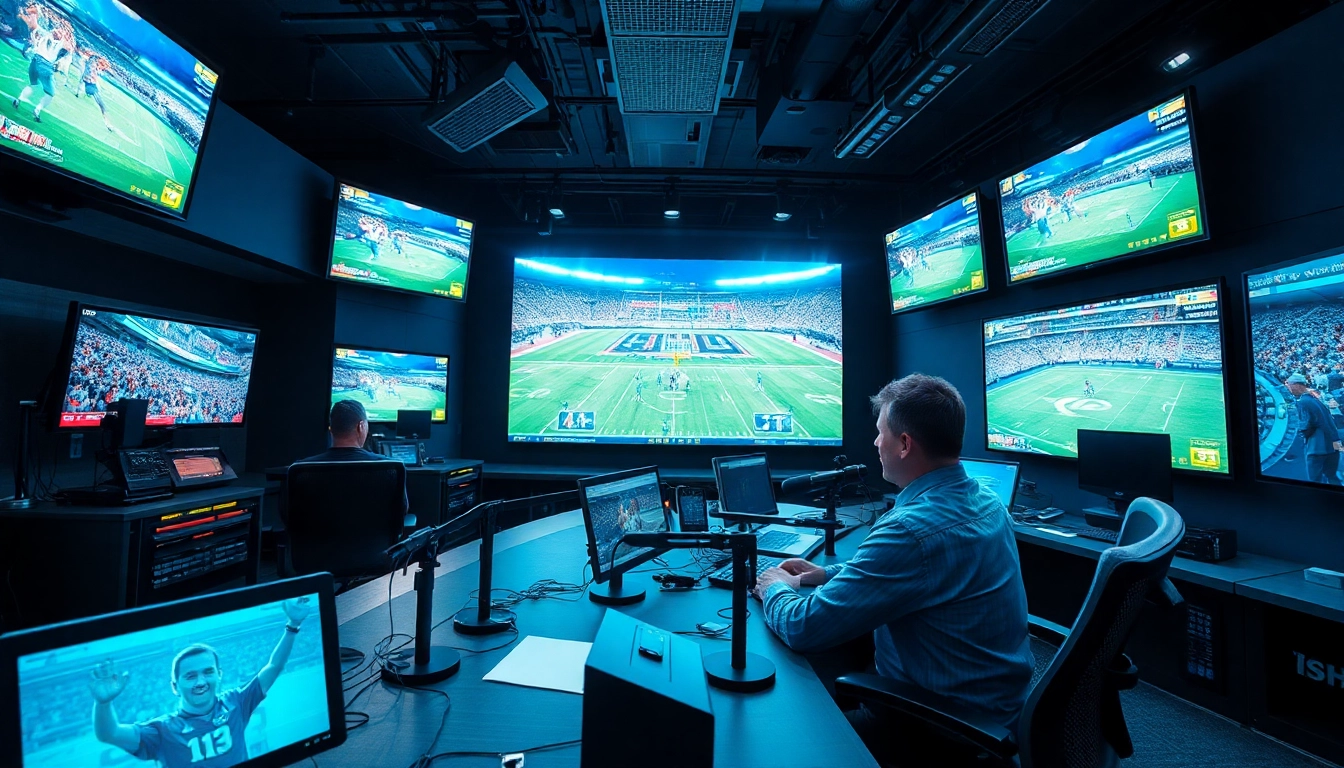
Understanding the Basics of Sports Broadcasting
What is Sports Broadcasting?
Sports Broadcasting encompasses the delivery of live or recorded athletic events to an audience via various media formats, such as television, radio, and online platforms. This activity combines elements of journalism, production, and marketing to ensure a comprehensive presentation of sporting events. Whether it's commentary, interviews, or post-game analysis, Sports Broadcasting acts as a conduit between the sporting world and its fans, allowing for an enhanced viewing experience.
Key Components of Sports Broadcasting
The foundation of sports broadcasting consists of several key components:
- Production Crew: This includes camera operators, sound engineers, and directors who work behind the scenes to ensure a smooth broadcast.
- On-Screen Talent: Commentators and analysts play crucial roles in engaging viewers and providing expert insights.
- Technology: Advanced equipment and software enhance the viewing experience and ensure high-quality transmission.
- Distribution Channels: Various platforms, including cable, satellite, and streaming services, facilitate the delivery of sports content to viewers around the globe.
The Evolution of Sports Broadcasting
The landscape of sports broadcasting has changed dramatically over the decades. Initially dominated by radio broadcasts, the advent of television revolutionized how audiences consumed sports. More recently, digital transformation has taken center stage with streaming services, allowing for on-demand viewing and increasing availability of diverse sports content. Today, innovations like mobile broadcasting apps and interactive features offer viewers personalized experiences.
Essential Techniques in Sports Broadcasting
Live Coverage Strategies
Live coverage remains the cornerstone of sports broadcasting. Effective strategies include:
- Real-Time Updates: Keeping the audience informed about ongoing plays, scores, and key moments is crucial. On-screen graphics and commentary improve viewer understanding.
- Multiple Camera Angles: Utilizing various camera placements can provide immersive viewing experiences, such as replays or highlights during critical moments.
- Interactive Features: Incorporating audience engagement tools, such as polls or live chats, enhances connection and maintains viewer attention.
Commentary Skills for Engaging Viewers
Commentary is an art form in itself and involves more than just describing the action. Effective commentators should:
- Master the Sport: In-depth knowledge of the sport is essential for providing context and insights.
- Be Engaging: A charismatic delivery keeps viewers entertained and focused, utilizing humor or storytelling to enhance the narrative.
- Collaborate: Working in tandem with co-commentators or analysts can enrich the broadcast with diverse perspectives.
Utilizing Technology in Sports Broadcasting
Technology has transformed sports broadcasting significantly. Key advancements include:
- HD and 4K Broadcasting: Higher resolution formats improve image quality, providing a better viewing experience.
- Graphics and Analytics: Real-time data presentation enhances analysis and storytelling during broadcasts.
- Mobile Streaming: Allowing audiences to catch games on-the-go has broadened viewership.
Trends Shaping the Future of Sports Broadcasting
Digital Platforms and Their Impact
The rise of digital platforms has reshaped sports broadcasting. Audiences increasingly favor streaming services over traditional cable, leading to:
- Accessibility: Sports content is available to a wider audience, often at lower costs.
- On-Demand Viewing: Viewers can watch content according to their schedule, increasing established sports coverage's overall reach.
- Tailored Content: Digital platforms allow for personalized experiences, catering to specific interests.
Virtual and Augmented Reality in Broadcasting
Emerging technologies like Virtual Reality (VR) and Augmented Reality (AR) revolutionize viewer engagement. Applications include:
- Immersive Viewing: VR can place viewers in the middle of the action, making them feel like part of the event.
- Enhanced Storytelling: AR can overlay statistics and graphics over live events, enriching the viewing experience.
Social Media Integration with Sports Broadcasting
Social media plays a critical role in sports broadcasting by:
- Real-Time Interaction: Fans can engage with broadcasts directly, sharing reactions and content instantly.
- Content Distribution: Highlights, interviews, and behind-the-scenes footage shared on social platforms extend the reach of sports content.
- Building Communities: Social media fosters fan base communities, enhancing loyalty and involvement.
Challenges in Sports Broadcasting Today
Navigating Broadcast Rights and Regulations
Broadcast rights are a complex aspect of the industry, requiring networks to:
- Negotiate Contracts: Obtaining exclusive rights demands legal expertise and strategic negotiating skills.
- Adhere to Regulations: Complying with local and international broadcasting laws is essential to avoid penalties.
Addressing Viewer Expectations in a Digital Age
As digital platforms evolve, so do viewer expectations. Broadcasters must:
- Deliver Quality Content: High production value and diverse offerings are crucial to meet audience standards.
- Ensure Accessibility: Providing content across multiple devices and platforms is vital for maintaining viewer interest.
Overcoming Technical Difficulties
Technical failures can disrupt broadcasts. Solutions include:
- Regular Equipment Checks: Ensuring equipment is functioning correctly can prevent live broadcast issues.
- Backup Plans: Developing contingency plans for possible technical failures is imperative.
Measuring Success in Sports Broadcasting
Key Performance Indicators
Success measurements in sports broadcasting often rely on specific Key Performance Indicators (KPIs), such as:
- Viewership Numbers: Ratings and viewer counts provide insights into popularity and engagement.
- Audience Reach: Analyzing demographic data helps to understand target audiences better.
Analyzing Audience Engagement
Engagement metrics help assess how viewers interact with content:
- Social Media Interactions: Likes, shares, and comments can indicate the level of audience engagement.
- Survey Feedback: Viewer feedback can guide content adjustments and improvements.
Feedback and Continuous Improvement
Continuous improvement is vital. Regular assessments of feedback are crucial to ensure:
- Content Relevance: Keeping content aligned with audience interests strengthens viewership.
- Operational Efficiency: Streamlining production and broadcasting processes enhances the overall quality.
Frequently Asked Questions
What is the primary role of a sports broadcaster?
A sports broadcaster's primary role is to deliver live or recorded sports events, providing commentary, analysis, and entertainment to enhance viewer engagement.
How has technology changed sports broadcasting?
Technology has improved production quality, expanded viewer options through streaming, and introduced innovative features like augmented reality and real-time statistics displays.
What strategies can improve viewer engagement?
Incorporating interactive elements, utilizing multiple camera angles, and enhancing commentary can significantly improve viewer engagement during broadcasts.
Why is understanding broadcast rights important?
Understanding broadcast rights is crucial to ensure legal compliance, negotiate contracts effectively, and avoid penalties or legal issues in sports broadcasting.
How can audience feedback influence broadcasting strategies?
Audience feedback can reveal viewer preferences and expectations, allowing broadcasters to adjust content strategies for better alignment with audience interests and needs.