
Enhancing Living Spaces: Cape Style Home In-Law Addition Insights
Understanding Cape Style Home In-Law Addition
Definition and Features of Cape Style Homes
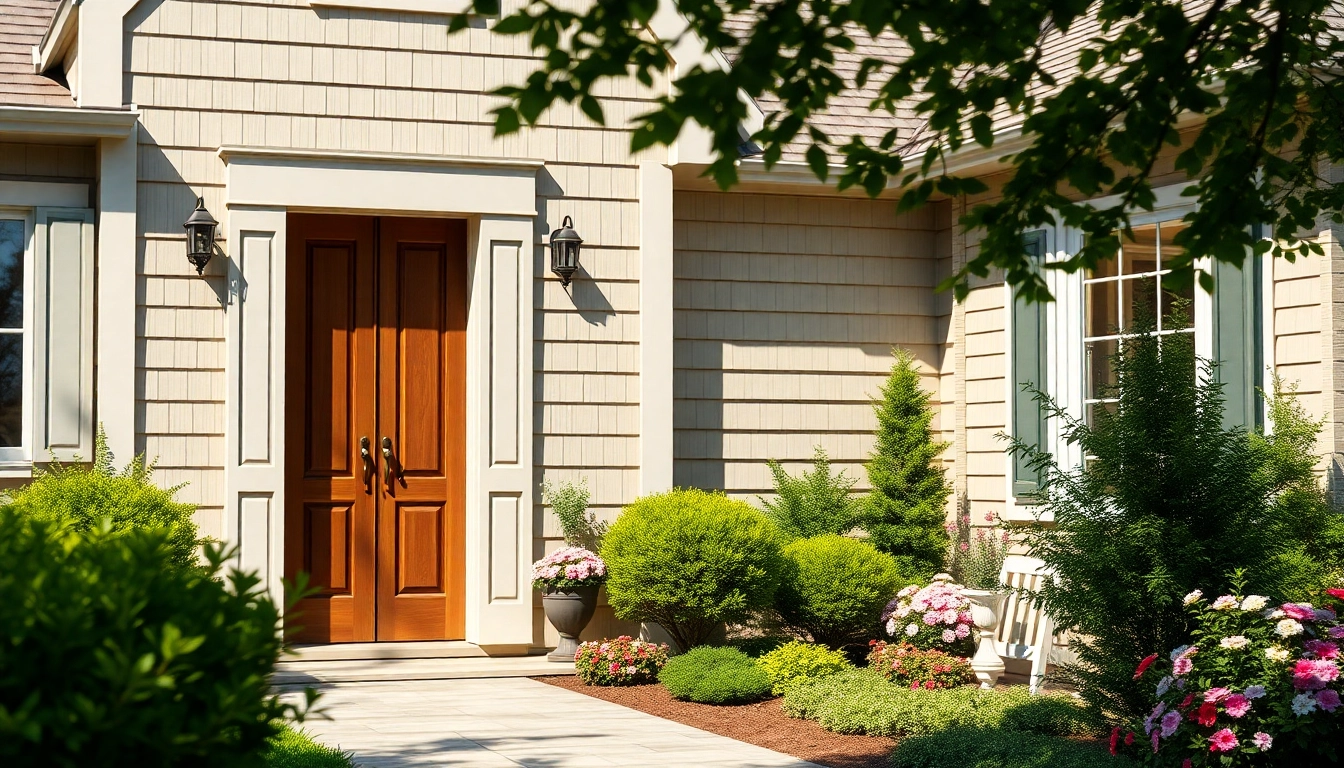
Cape style homes, originating in the early colonial period, are characterized by their steeply pitched roofs, symmetrical facades, and dormer windows. Typically one or one-and-a-half stories tall, these homes often feature central chimneys and classic colonial architectural details. The design is practical, making it ideal for various home expansions, including in-law additions. Understanding the core features of Cape style homes helps homeowners appreciate how an Cape Style Home In-Law Addition can enhance living space while maintaining harmony in design.
Benefits of an In-Law Addition
An in-law addition provides numerous advantages for families. Firstly, it offers a dedicated private space for aging parents or relatives, promoting independence while ensuring support is close at hand. This layout fosters family unity but allows individual privacy, accommodating visiting guests seamlessly. On a financial level, converting such spaces can increase property value, making it a wise investment. Furthermore, as societal norms shift towards multi-generational living, these additions can meet both current and future demands for family housing, aligning perfectly with modern lifestyles.
Designing for Comfort and Accessibility
When designing an in-law addition, comfort and accessibility need to be prioritized. Consideration for individuals with mobility challenges must be factored into the layout. This includes wide doorways, accessible bathrooms, and minimal steps for entry. Moreover, utilizing open floor plans can enhance mobility within the space. Aesthetic elements such as natural lighting and cozy furnishings further promote comfort, creating a welcoming environment. Additionally, integrating smart home technology can enhance safety and ease of use, making daily living more manageable for older family members.
Planning Your Cape Style Home In-Law Addition
Key Considerations for Space and Design
Before embarking on your home addition project, it’s vital to assess your current living space accurately. Conduct an inventory of your existing space and consider how the in-law suite will meld with the rest of your home. Design options should take into account traffic flow, the overall aesthetic of the Cape style design, and functionality for all occupants. Incorporating versatile spaces within the addition—such as a multi-purpose room that can serve as an extra bedroom or a living area—can maximize usability without sacrificing style.
Choosing the Right Location on Your Property
Location is a critical factor when building your in-law addition. It’s essential to ensure the new space connects well with your home and doesn’t disrupt your outdoor space. Factors such as sunlight, privacy, and accessibility to your main living areas should guide your decision. Adding the new structure to the rear or side of the home can provide additional privacy for the in-laws while maintaining harmony in the overall Cape home aesthetic. Ensuring compliance with local zoning regulations here is also vital to avoid future complications.
Budgeting for Your In-Law Addition
Budgeting is a critical step in planning your Cape Style Home In-Law Addition. Include all potential costs, from construction materials and labor to permits and landscaping. It’s recommended to address unforeseen expenses by setting aside an additional 10-20% of your total budget as a contingency fund. Be detailed in your estimate and consult professionals to gain realistic cost insights, as unexpected issues can arise at any stage of the project, from site preparation to finishing touches.
Design Ideas for Cape Style Home In-Law Addition
Interior Design Trends: Maximizing Space
Incorporating current interior design trends can significantly enhance the utility of an in-law addition. Open floor plans, which combine the kitchen, dining, and living areas, can create the illusion of more space. Utilizing multi-functional furniture, such as sleeper sofas and expandable dining tables, can also optimize smaller areas. Neutral color palettes with pops of color through decor can visually expand the space while integrating Cape-style design elements, such as wood detailing, traditional moldings, and soft textiles to provide warmth.
Outdoor Enhancements for Family Unity
Connecting the indoor and outdoor spaces is key to fostering family unity in a Cape Style Home In-Law Addition. Consider adding a deck or patio that blends seamlessly with the new addition, creating a space for gatherings and family activities. Garden paths leading to the addition can enhance accessibility while inviting natural beauty into the equation. Additionally, integrating outdoor seating can provide a communal space for entertainment, ensuring everyone can enjoy quality time together surrounded by nature.
Eco-Friendly Practices in Design
Building sustainably has become more critical than ever, and incorporating eco-friendly practices in your in-law addition can significantly reduce environmental impact. Use sustainable building materials, energy-efficient appliances, and water-saving fixtures. Moreover, consider incorporating solar panels or green roofing options that not only benefit the environment but can also provide long-term savings on energy bills. With the growing focus on sustainability, making eco-conscious choices in your design can elevate your property’s value and appeal to environmentally mindful buyers.
Permits and Regulations for Construction
Understanding Local Zoning Laws
Understanding local zoning laws is essential before initiating your Cape Style Home In-Law Addition. Each municipality has its own regulations regarding property lines, setbacks, and height restrictions that could affect your design. Contacting local planning departments will provide insights into what is allowable and what isn’t. Additionally, checking existing zoning laws ensures that your project won’t face legal challenges down the road.
Essential Permits Needed for Construction
Permitting can be a meticulous process, but it’s crucial for a legally compliant addition. Essential permits for residential construction usually include building permits, electrical permits, and plumbing permits. Each type requires thorough documentation, including design plans and property surveys, to ensure compliance with local building codes. Engage with professionals who are experienced in navigating the permitting process to ensure timely and efficient approvals.
Working with Local Authorities: Tips
Building relationships with local authorities can facilitate smoother interactions when securing permits or resolving issues. Approach local building departments warmly to understand requirements and express your commitment to community standards. Attend relevant meetings or forums to stay informed about changes in regulations. This proactive approach not only eases the permitting process but helps in addressing any concerns regarding your project before they escalate.
Frequently Asked Questions About Cape Style Home In-Law Addition
What is a Cape Style Home?
A Cape Style Home is a traditional American house typically characterized by a symmetrical roof, dormer windows, and central chimney. Originating from colonial architecture, it features one to one-and-a-half stories, making it a popular choice for family-friendly living spaces.
How do I design a functional in-law suite?
To design a functional in-law suite, prioritize accessibility and comfort. Incorporate an open floor plan with a private bedroom, a bathroom equipped with safety features, and a kitchenette. Ensure adequate storage and natural light for a warm, inviting atmosphere.
What are common costs associated with in-law additions?
Common costs for in-law additions typically include construction materials, labor, permits, and finishing details like cabinetry or flooring. Costs vary significantly based on location, size, and the complexity of design. Budget an additional 10-20% for unforeseen expenses.
Can a Cape Style design accommodate elderly residents?
Yes, a Cape Style design can effectively accommodate elderly residents. Prioritizing accessibility features like wide doorways, non-slip flooring, and step-free entrances enhances usability. Design considerations like incorporating safety measures in bathrooms are also essential.
What permits are required for building an in-law space?
Permits for building an in-law space typically include a building permit, electrical wiring permit, and plumbing permit. Requirements vary by location, so it’s crucial to check with local authorities to ensure compliance with zoning laws and building regulations.