
Reviving Nostalgia: The Beauty of Retro Appliance in Modern Homes
The Allure of Retro Appliances
Understanding Retro Aesthetics
Retro aesthetics encapsulate a rich tapestry of designs originating from the mid-20th century, evoking nostalgia and a sense of cultural history. Characterized by vibrant colors, whimsical shapes, and bold patterns, retro appliances often reflect the style sensibilities of the 1950s and 1960s. This time was marked by a confluence of innovation and fun, presenting everything from rounded edges to pastel hues. Incorporating such pieces into your kitchen or living space can instantly transport you to a different era, creating an environment that marries both functionality and artistic expression. The retro style goes beyond mere decoration; it’s about celebrating a time when design was playful and imbued with character.
The Benefits of Vintage Design
Investing in vintage design offers a multitude of benefits, most notably its uniqueness. Unlike mass-produced modern appliances, retro pieces often are one-of-a-kind or produced in smaller quantities, giving a sense of individuality to your space. Additionally, vintage designs typically prioritize craftsmanship, constructed from durable materials that have stood the test of time. Retro Appliance can add significant value to your home while offering a practical solution that integrates seamlessly with contemporary lifestyle needs.
Why Retro Appliances Are Making a Comeback
The resurgence of retro appliances can be attributed to a modern consumer desire for authenticity and nostalgia. As many people gravitate towards sustainable living, vintage pieces often offer longevity and a lower environmental impact compared to newer models. Retro appliances provide functionality with style, appealing to those who wish to avoid the sterile look of contemporary designs. Furthermore, social media platforms have fueled interest in aesthetics seen in vintage homes, making retro appliances a trendy choice for many. As people increasingly look to express their personal style within their homes, the retro appeal continues to grow stronger.
Key Features of Retro Appliances
Distinctive Design Elements
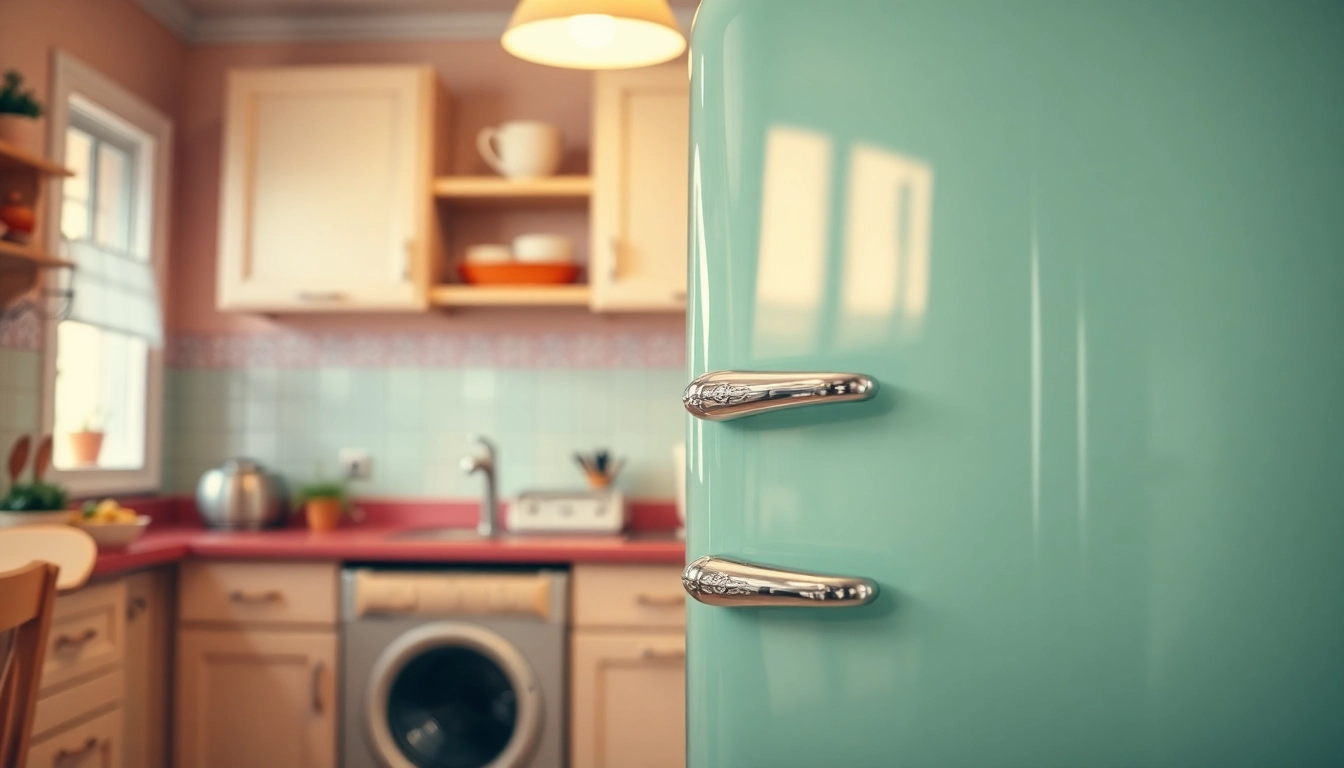
Distinctive design elements play a crucial role in the charm of retro appliances. From the iconic Smeg refrigerators with their curvy outlines to toasters and mixers adorned with chrome finishes, these appliances are more than just tools—they are statements of style. Available in an array of vibrant colors such as mint green, soft pink, and classic cream, these products often include eye-catching decals and artful features that tell a story all their own. These unique touches ensure that each piece becomes a focal point within the kitchen, enhancing the overall decor.
Energy Efficiency in Vintage Styles
Modern retro appliances undergo advancements to incorporate energy efficiency without sacrificing their vintage aesthetic. New technology enables these stunning appliances to meet or exceed contemporary energy standards while retaining their classic designs. Realistic comparisons of energy consumption reveal that modern retro appliances are designed to operate with optimal efficiency, ultimately diminishing environmental impacts while aligning with current energy-saving goals. Thus, consumers can enjoy the beauty of the past while being mindful of their carbon footprint.
Customization Options Available
One of the most thrilling aspects of retro appliances is the opportunity for customization. Many manufacturers provide options that allow consumers to select colors, finishes, and even specific stylistic elements to align with their decor preferences. This personalization makes these appliances not just functional items, but also integral parts of a home’s artistic expression. Custom retro appliances can complement various design schemes, ensuring every piece is as unique as the individual it belongs to.
Choosing the Right Retro Appliance for Your Home
Assessing Space and Style Compatibility
Choosing the right retro appliance begins with understanding the unique dynamics of your space. Consider the dimensions of your kitchen or living area, as well as the existing color schemes and design elements. A large, colorful refrigerator may dominate a compact space, while smaller accessories, such as coffee makers or blenders, can infuse character without overwhelming the environment. The key is to harmonize vintage allure with modern functionality, complementing your home’s existing style.
Budget Considerations
Budgeting for retro appliances requires careful planning as prices can vary greatly depending on the brand, design intricacies, and functionality. While it might be tempting to opt for the most aesthetically pleasing piece, prioritize quality and energy efficiency, as these factors can lead to long-term savings. Research comparable models and specifications to ensure you get the best value without compromising on style or performance. It is advisable to set a clear budget range beforehand to narrow down your choices, streamlining the purchasing process.
Top Brands Offering Retro Options
For those seeking reliability alongside style, numerous trusted brands are renowned for their retro appliances. When exploring options, pay attention to the manufacturer’s reputation, customer service reviews, and warranty offers, as these aspects influence long-term satisfaction. While exact brand names are outside this discussion, widely recognized manufacturers can often be found specializing in retro designs that balance aesthetics with advanced technology.
Integrating Retro Appliances into Modern Décor
Enhancing Home Aesthetics
Integrating retro appliances into modern décor can transform an ordinary space into a vibrant visual narrative. The key is to blend various styles thoughtfully to create a cohesive look. Bright retro colors can serve as accents against a neutral palette or tie together eclectic furniture styles. Thoughtful placement, like positioning a mint-colored refrigerator alongside sleek cabinetry or a funky vintage toaster juxtaposed against minimalist counter details, leads to striking contrasts that elevate aesthetic appeal.
Blending Old and New Designs
Successfully blending old and new designs entails striking a balance between contemporary functionality and vintage charm. This can often be achieved through carefully curated choices, like pairing retro appliances with modern fixtures or new countertops that enhance the overall harmony. Incorporating retro fabrics or artwork can further solidify the connection between diverse design eras, creating a rich, inviting atmosphere that celebrates the best of both worlds.
Popular Color Palettes for Retro Kitchens
Color plays a pivotal role in defining a retro kitchen’s personality. Popular color palettes often include pastel shades such as soft pinks and blues paired with bright hues like sunny yellow or rich red. These colors evoke a playful ambiance reminiscent of the ’50s and ’60s. To make the most of this approach, consider incorporating appliances in these vibrant tones to create striking focal points while complementing softer cabinetry or intricate tile work that reflects the era’s design sensibility.
FAQs About Retro Appliances
What is a Retro Appliance?
A retro appliance is a kitchen or home appliance designed to evoke styles and aesthetics reminiscent of the mid-20th century, often featuring vibrant colors and unique shapes.
How do I maintain a Retro Appliance?
Maintaining a retro appliance involves regular cleaning with gentle, non-abrasive products, periodic inspections for wear or damage, and referring to the manufacturer’s care instructions for best results.
Are Retro Appliances energy efficient?
Many modern retro appliances are designed with energy efficiency in mind, utilizing advanced technology to meet or exceed current energy standards without sacrificing vintage aesthetics.
Can I customize my Retro Appliance?
Yes! Many manufacturers offer customization options for retro appliances, allowing you to select colors, finishes, and design elements that align with your home’s aesthetic.
Where can I purchase Retro Appliances?
Retro appliances can be purchased at various home and appliance stores, online retailers, or directly through specialized manufacturers that focus on vintage designs.