
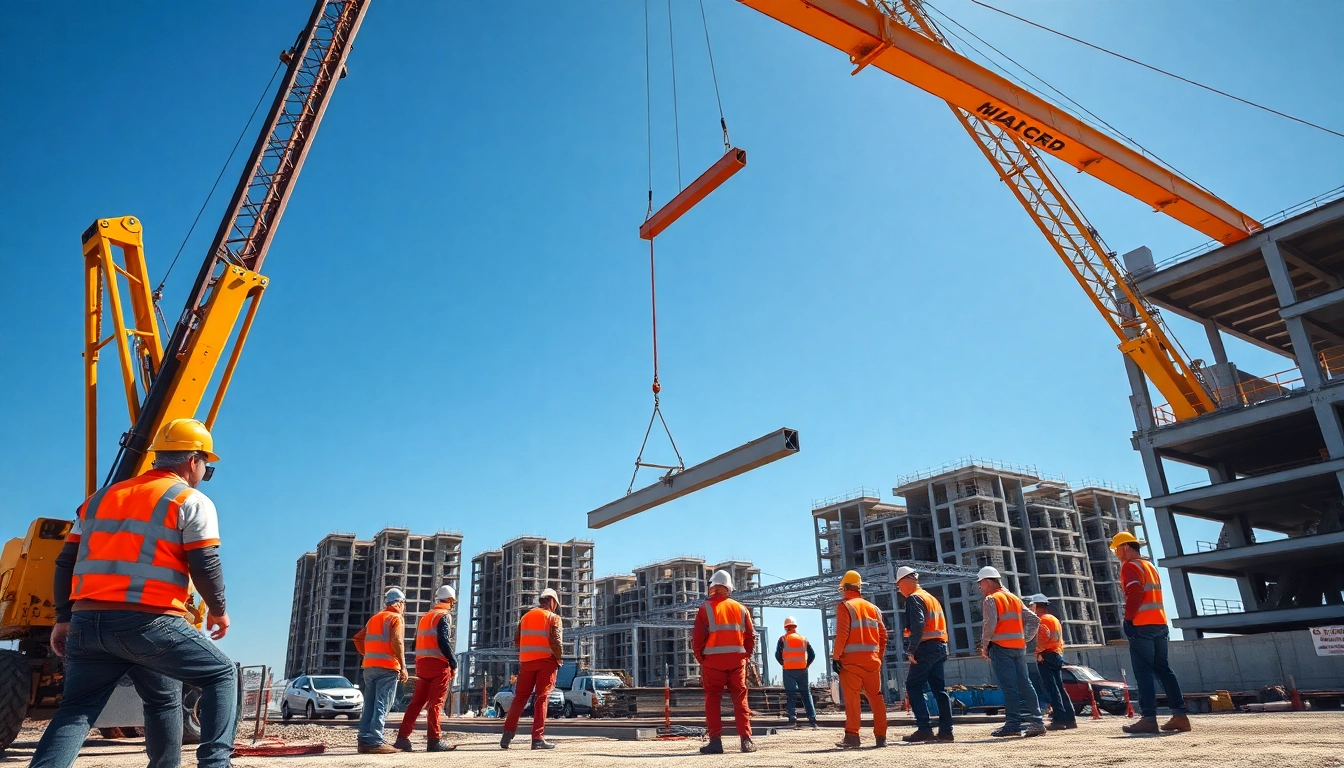
Mastering Structural Steel Installation: Techniques and Best Practices for Success
Understanding Structural Steel Installation
What is Structural Steel Installation?
Structural steel installation refers to the process of erecting steel structures that form the skeletal framework of buildings and other infrastructures. This method has become the preferred choice in modern construction due to its strength, durability, and design flexibility. The installation process typically involves careful planning, precise engineering, and efficient execution.
Understanding how to implement structural steel installation correctly is critical for ensuring not only the safety and longevity of the building but also the efficiency of the construction timeline. With its ability to support heavy loads and withstand various environmental stresses, structural steel plays a pivotal role across diverse sectors, including commercial, residential, and industrial construction.
Key Components of Structural Steel Systems
The key components of structural steel systems include beams, columns, braces, and trusses, each serving a distinct purpose within the framework. Beams are horizontal elements that bear load and support the structural weight, while columns are vertical components that transfer loads down to the foundation. Braces provide additional stability against lateral forces such as wind and earthquakes, and trusses distribute loads efficiently across spans, enabling wider spaces without excessive supports.
Additionally, connectors, such as bolts and welds, are utilized to join these components securely. The choice of connections and their design are critical factors influencing the integrity of the entire structure. Understanding these components is essential for anyone involved in the design or execution of structural steel projects.
Importance of Structural Integrity
Structural integrity is fundamental to the safety and performance of any building. It ensures that the structure can withstand environmental forces, mechanical loads, and various operational demands throughout its lifespan. Adequate attention to structural integrity during installation helps to prevent catastrophic failures, which can arise from poor design, material defects, or inadequate installation practices.
Moreover, maintaining structural integrity is also essential for economic reasons. A structure that is safe and compliant with building codes reduces the risk of costly repairs and legal liabilities. Implementing robust quality assurance processes and rigorous inspections during and after installation can significantly enhance the structural integrity of steel systems.
Planning for Successful Steel Installation
Project Requirements and Site Assessment
Effective planning begins with a clear understanding of project requirements and a comprehensive site assessment. This initial phase involves evaluating the unique characteristics of the site, such as soil conditions, environmental factors, and accessibility for machinery and materials. Conducting a thorough geotechnical survey can help in assessing soil bearing capacity and identifying potential issues that may impact installation timelines.
Additionally, aligning project requirements with relevant building codes and safety regulations is crucial. Understanding zoning laws, local construction regulations, and environmental considerations will help streamline the installation process and ensure compliance. Early collaboration among architects, engineers, and contractors can facilitate a smoother workflow and minimize unforeseen challenges down the road.
Budgeting and Cost Considerations
Budgeting for structural steel installation encompasses several key factors, including materials, labor, equipment, and overhead. Steel prices can fluctuate, influenced by market demand and raw material costs, making it essential to secure materials early in the planning phase. It’s vital to account for costs related to fabrication, transportation, and site preparation, as these can significantly impact the overall project budget.
Also, labor costs vary based on the complexity of the installation, location, and the experience level of the workforce. Comparing bids from multiple contractors and considering value engineering alternatives can lead to cost-effective solutions without compromising quality. A well-planned budget helps avoid cash flow issues and keeps the project on track financially.
Scheduling and Resource Allocation
A detailed schedule is vital for successful project management in structural steel installation. Creating a timeline that outlines key milestones, dependencies, and deadlines ensures that all team members are aligned and aware of their responsibilities. Project managers should utilize critical path method (CPM) scheduling to identify the most important tasks that could affect the overall timeline.
Resource allocation involves assigning the right personnel and equipment to each phase of the installation. This requires effective inventory management to ensure materials are available when needed, preventing delays. By optimizing scheduling and resource allocation, teams can enhance productivity and adhere to project deadlines while minimizing costs.
Techniques and Methods for Steel Installation
Common Installation Techniques
Several techniques are commonly employed for structural steel installation, including traditional bolt-up construction, welded joints, and modern prefabrication methods. Bolt-up construction is favored for its relative simplicity and the ability to disassemble components easily if needed. Welding offers a stronger network of connections, suitable for high-stress applications, while prefabrication allows for the construction of steel components off-site, reducing on-site labor and enhancing precision.
Each technique presents unique advantages and challenges, requiring contractors to select the most appropriate method based on project specifications and structural requirements. Familiarity with these techniques also aids in devising innovative solutions tailored to specific challenges faced during installation.
Safety Practices During Installation
Safety is paramount in structural steel installation, compelling the implementation of rigorous safety protocols to protect workers and surrounding environments. Proper training on equipment operation, personal protective equipment (PPE) usage, and adherence to OSHA standards is essential. Conducting regular safety audits and evaluating risks daily before work begins can significantly mitigate accidents.
Additionally, maintaining open lines of communication among team members promotes mutual awareness of safety practices. Job site safety meetings can periodically remind workers about hazards, reinforcing a culture of safety on-site. Implementing a robust safety plan minimizes risks and supports a safe working environment for everyone involved.
Tools and Equipment for Efficient Work
Employing the right tools and equipment is fundamental to the efficiency and success of structural steel installation. Essential tools include cranes for lifting and positioning, forklifts for material handling, and scaffolding systems to ensure safe access to elevated areas. Properly maintained tools increase productivity and reduce the likelihood of equipment failure.
Advanced technologies, such as 3D modeling and Building Information Modeling (BIM), facilitate better planning and execution of steel installation. These digital tools enable precise visualization of the project, allowing for quicker adjustments and minimizing costly changes during construction. Incorporating suitable technology not only enhances operational efficiency but also fosters smarter decision-making throughout the installation process.
Challenges in Structural Steel Installation
Weather and Environmental Factors
Weather has a significant impact on structural steel installation, with environmental factors such as heavy rains, snow, and extreme temperatures potentially causing delays and safety risks. Effective planning should include contingency measures to tackle adverse weather conditions, such as adjusting schedules or using protective coverings for materials.
Understanding seasonal weather patterns and forecasting can help project managers stay prepared. Utilizing weather-resistant materials and methods can mitigate risks associated with environmental factors, ensuring that installations proceed smoothly and safely.
Coping with Supply Chain Issues
Supply chain disruptions can undermine the timely delivery of materials needed for steel installation. Market volatility, vendor challenges, and transportation delays can create bottlenecks that hinder project progress. To cope with these issues, stakeholders are encouraged to build strong relationships with multiple suppliers and create comprehensive contingency plans.
Utilizing local suppliers when possible can reduce transportation times and costs, while exploring alternative materials may offer flexibility if certain steel products are unavailable. Understanding the supply chain landscape and anticipating potential challenges allows teams to adapt quickly and maintain construction schedules.
Addressing On-Site Safety Concerns
On-site safety is an ongoing concern in structural steel installation, requiring constant vigilance and proactive measures. Chief considerations include falling hazards, equipment-related injuries, and material handling risks. Regular safety training sessions, clear signage, and enforced safety protocols are essential for safeguarding workers.
Integrated safety management systems streamline monitoring and reporting of safety incidents, enabling rapid responses to on-site emergencies. Additionally, fostering a culture that prioritizes safety creates an environment where workers feel empowered to voice concerns, thereby enhancing overall safety practices.
Evaluating the Success of Steel Installation
Performance Metrics and Quality Assurance
Evaluating the success of structural steel installation involves measuring performance against established metrics. Key performance indicators (KPIs) include project completion time, budget adherence, safety incident rates, and post-installation structural assessments. These metrics help gauge the efficiency and quality of the installation process.
Implementing a robust quality assurance plan ensures that all components meet or exceed industry standards throughout the installation phase. Regular inspections and adhering to best practices provide valuable insights into performance and help address any deviations promptly.
Post-Installation Inspections
Post-installation inspections are critical in assessing the completed structure’s compliance with design specifications and safety standards. These evaluations should be conducted by qualified professionals who can identify any necessary repairs or reinforcements. Ensuring that the installation aligns with regulatory requirements and industry codes helps mitigate risks of defects that could impact the building’s integrity.
Additionally, documenting inspection findings contributes to comprehensive project records and fosters transparency among all stakeholders. Incorporating feedback from inspections into operational practices can serve as valuable lessons for future installations.
Feedback Loop for Continuous Improvement
Establishing a feedback loop is vital for continuous improvement in structural steel installation practices. Gathering insights from all project participants—including engineers, contractors, and workers—allows teams to identify areas of success and those that may require enhancement. Regular debriefing sessions after project completion ensure that lessons learned are captured and applied to future projects.
Encouraging an environment where feedback is valued fosters innovation and collaboration. Continuous learning and adaptation will enhance performance and drive excellent results in upcoming projects, ultimately elevating the standards of structural steel installation practices.