
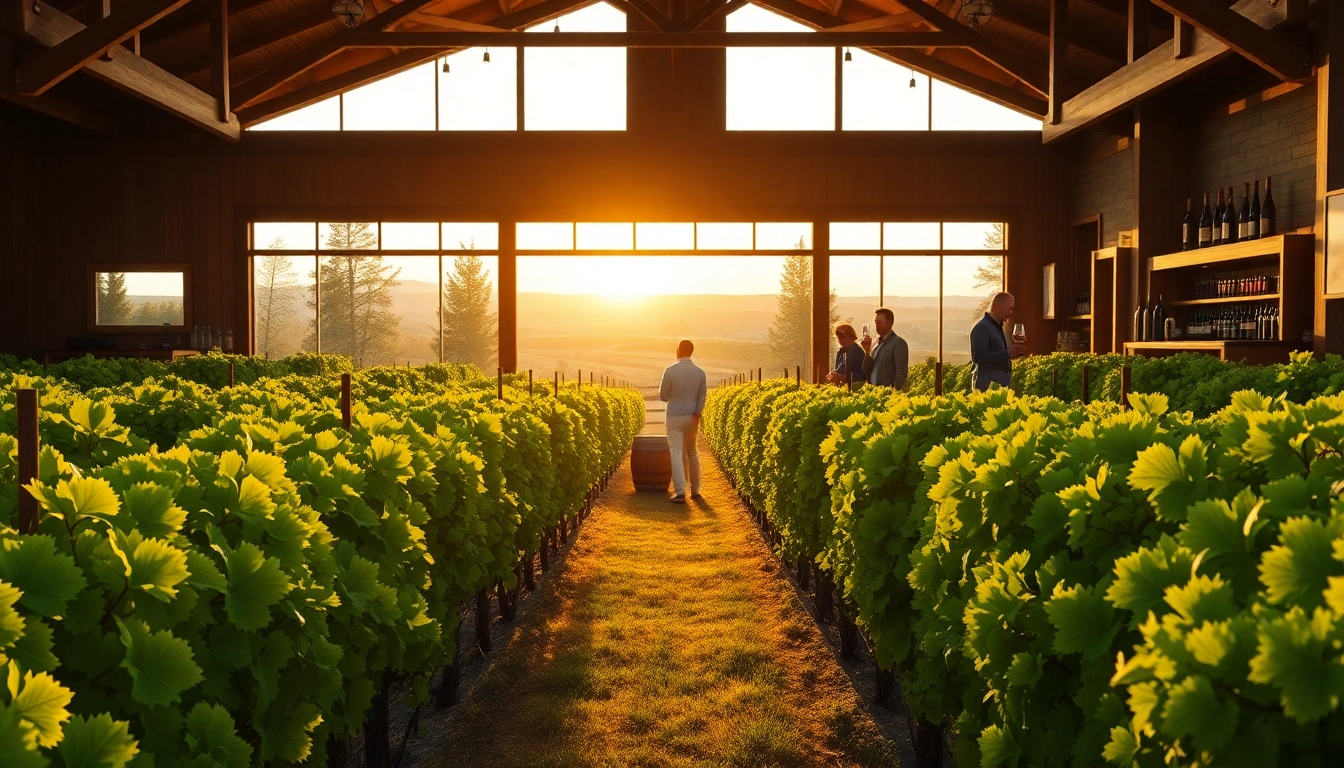
Experience the Charm of Sacramento Wineries: A Guide to Local Vineyards and Tasting Rooms
The Allure of Sacramento Wineries
Sacramento, often revered as the capital of California, showcases a hidden gem in its surrounding regions—the thriving world of winemaking. Wine enthusiasts have increasingly turned their attention toward Sacramento Wineries, where a combination of rich history, unique climate, and innovative practices has fostered an exceptional wine scene. In this comprehensive guide, we will explore the multifaceted charm of Sacramento’s wineries, delving into their history, must-visit establishments, tasting experiences, and even their commitment to sustainability.
History and Background of Sacramento’s Wine Industry
The history of winemaking in Sacramento dates back to the Gold Rush era of the 19th century. While many flocked to California seeking fortune, some ventured into viticulture, planting the first vineyards that would eventually give rise to a burgeoning wine industry. The fertile soils of the Sacramento Valley, along with a favorable climate, proved to be ideal for grape cultivation.
In the early 20th century, as the wine industry battled Prohibition, many wineries closed down or pivoted to alternative products. However, post-Prohibition regulations allowed eager winemakers to reestablish themselves, leading to a gradual resurgence in the 1970s and 1980s. This resurgence saw the emergence of boutique wineries and innovative winemakers who sought to craft premium wines reflecting the terroir of the region.
Unique Climate and Terrain Influencing Wine Quality
The unique climate and terrain of Sacramento play pivotal roles in enhancing the quality of its wines. Located at the confluence of the Sacramento and American Rivers, the valley enjoys a Mediterranean climate characterized by warm summers and mild winters. This climatic condition fosters a longer growing season, allowing grapes to ripen fully while maintaining acidity—a crucial factor for producing complex wines.
The soil composition in the region is equally compelling. The delta region’s alluvial soils are rich in minerals, which contribute to the development of robust flavors in the grapes. Many wineries have adopted sustainable farming practices to preserve the natural resources and richness of the environment.
Overview of Popular Wine Varietals in Sacramento
Among the diverse varietals cultivated in Sacramento, several stand out for their exceptional quality. Zinfandel, a quintessentially Californian grape, thrives in the region’s warm climate, often yielding bold, fruity wines with spicy undertones. Additionally, Cabernet Sauvignon and Merlot are popular, producing well-structured, complex wines that appeal to a wide range of palates.
Chardonnay and Sauvignon Blanc are also extensively grown, benefiting from the cooler evening temperatures that preserve their acidity while allowing for rich flavor development. Ultimately, the wineries in Sacramento are committed to crafting wines that not only tell the story of their land but also resonate with wine lovers across the globe.
Top Sacramento Wineries to Visit
Highlighting Award-Winning Vineyards
When visiting the Sacramento area, numerous award-winning wineries are worth exploring. One prominent example is Bogle Vineyards, known for producing an array of high-quality wines while emphasizing sustainability in their vineyard practices. Bogle’s Old Vine Zinfandel and Chardonnay have received numerous accolades, showcasing the craftsmanship behind their wine production.
Another noteworthy establishment is Cloverdale Farm Vineyards, offering a blend of scenic beauty and rich wine offerings. Their commitment to organic practices elevates the quality of their wines, and the serene landscape makes for an ideal tasting experience.
Must-Visit Tasting Rooms and Their Specialties
Tasting rooms serve as the heart of the wine experience, and Sacramento hosts some exceptional venues. The Grange Restaurant & Bar, located within the historic Citizen Hotel, provides a delightful setting combining local cuisine with a curated wine list featuring regional selections. Here, visitors have the opportunity to learn about wine pairings from knowledgeable staff while indulging in farm-to-table dishes.
The Urban Wineries in Sacramento are also a unique attraction. With many operating within the city limits, these urban tasting rooms reflect the transition of the winemaking scene. Places like Revolution Wine offer craft wines and a lively atmosphere, making them perfect for social gatherings.
Seasonal Events and Festivals at Local Wineries
The vibrant wine culture of Sacramento is punctuated by a calendar full of events and festivals that celebrate local wines. The Harvest Festival is one such event, held annually in October, where wineries showcase their latest vintages, complemented by delicious food from local eateries. Attendees can experience live music, art displays, and the chance to meet the winemakers themselves.
Additionally, many wineries host seasonal events like Summer Sunset Tastings and Winter Wine and Chocolate Pairings, where visitors can indulge in unique pairings while enjoying the picturesque vineyard surroundings. These events promote local culture and provide unique experiences that highlight the best of Sacramento’s wine offerings.
Wine Tasting Experience in Sacramento
Understanding Wine Flight Choices
A wine tasting experience in Sacramento is more than just sipping; it is an exploration of flavors and aromas. Most wineries offer a selection of wine flights, allowing guests to sample a range of varietals. Typically, wines are grouped based on style, region, or a specific vineyard, enabling visitors to appreciate the nuances among different offerings.
Enthusiasts can choose thematic flights based on personal preferences—be it robust reds, crisp whites, or rare blends—making each tasting unique and tailored to the individual palate. Knowledgeable staff guide visitors through the tasting process, sharing insights into the grapes’ origins, winemaking techniques, and pairing suggestions.
Wine Pairing Suggestions with Local Cuisine
To enhance the wine tasting experience, pairing local cuisine with selected wines can create a harmonious union of flavors. In Sacramento, where the farm-to-fork movement reigns, local restaurants and wineries collaborate seamlessly. For instance, pairing a rich Sauvignon Blanc with fresh seafood or a smoky Cabernet Sauvignon with grilled meats can elevate both the wine and the food.
Furthermore, many wineries host culinary events that feature renowned local chefs, creating signature pairings specifically designed to complement the wines being offered. This kind of experience not only showcases the diversity of the local culinary scene but also allows visitors to experience the full range of flavors from the vineyard to the plate.
Etiquette Tips for Wine Tastings
Understanding proper etiquette can enrich the wine tasting experience and ensure respectful interactions with winery staff and other attendees. Here are a few tips to consider:
- Ask Questions: Don’t hesitate to engage with staff. They are well-trained and enthusiastic about sharing their knowledge.
- Pace Yourself: Enjoy the experience leisurely. Spacing out tastings allows you to savor each wine fully.
- Spitting is Acceptable: In formal tastings, it’s standard practice to spit out the wine after tasting to avoid overconsumption.
- Be Respectful: Maintain a pleasant demeanor, especially in crowded settings. Treat staff and fellow tasters with courtesy.
Planning Your Visit to Sacramento Wineries
Best Times of Year to Experience the Vineyards
Timing your visit to Sacramento wineries can significantly impact your experience. Spring and fall are considered the best seasons for vineyard visits. Spring showcases blooming vineyards and pleasant weather, while fall sees the grape harvest, making it an exciting time at wineries during the crush season.
Summer can be hot, with temperatures soaring, but the long daylight hours present ample opportunities for tastings and outdoor activities. Winter also holds its charm, especially for those who enjoy quiet, intimate experiences at wineries, often accompanied by winter-focused events.
Transportation and Accessibility Options
Getting around to the wineries near Sacramento is relatively simple, thanks to various transportation options available. Wine tours are a popular way to navigate the area, with many companies offering guided experiences with included transportation. This not only eliminates the worry of driving sober but also enhances the overall experience through the expertise of knowledgeable guides.
For those who prefer a more personal touch, rideshare services are widely available, providing flexibility and convenience. Public transportation options are also present, although less direct, so visitors may want to consider renting a vehicle for a more comprehensive exploration of the region.
Creating an Itinerary for a Wine Tour
Crafting a well-thought-out itinerary can maximize your winery experience in Sacramento. Start by selecting 3 to 5 wineries based on your preferences for varietals and atmosphere. Allow ample time for each visit to explore their grounds, engage in discussions, and savor the wines without feeling rushed.
Many visitors benefit from including a meal stop between tastings to relax and recharge. Local restaurants that focus on farm-to-fork concepts frequently feature seasonal menus that pair beautifully with local wines, creating a delightful culinary adventure. Checking winery websites for special events or seasonal activities can also enhance your itinerary by adding unique experiences.
Sacramento Wineries and Sustainable Practices
Eco-friendly Approaches in Local Vineyards
The wine industry in Sacramento is increasingly embracing sustainable practices, recognizing the impact of climate change on viticulture. Many local wineries have instituted eco-friendly practices, such as reducing water usage, employing organic farming methodologies, and implementing renewable energy sources.
For example, several wineries utilize solar energy to power their facilities, significantly lowering their carbon footprint. Others engage in water conservation techniques such as drip irrigation and utilizing recycled water for vineyard maintenance. These practices not only help in preserving the environment but also resonate with environmentally conscious consumers, further enhancing the appeal of Sacramento wines.
Organic and Biodynamic Wine Production
In addition to eco-friendly practices, some wineries in the region are certified organic or biodynamic, reflecting a commitment to not only sustainable farming but also to producing wines with more expressive flavors. Organic winemaking eliminates synthetic pesticides and fertilizers, allowing the grapes to thrive naturally in the vineyard’s ecosystem.
Biodynamic practices take this a step further, considering lunar cycles and cosmic rhythms in vineyard management. This integrated approach promotes soil health, biodiversity, and grape quality, lending a distinctive character to the wines produced in such an environment.
The Future of Sustainable Winemaking in Sacramento
The future of winemaking in Sacramento is undoubtedly tied to sustainable innovations. As consumers increasingly demand transparency and responsibility in agricultural practices, local wineries are responding by adopting green technologies and sustainable methods to meet these expectations.
Creating a balance between quality wine production and environmental stewardship is paramount, ensuring that the wineries of Sacramento can continue to thrive while preserving the land for future generations. By prioritizing sustainable practices, the Sacramento wine industry not only stands at the forefront of innovation but also nurtures a deeper connection between consumers and the land that yields their favorite wines.